
Planting
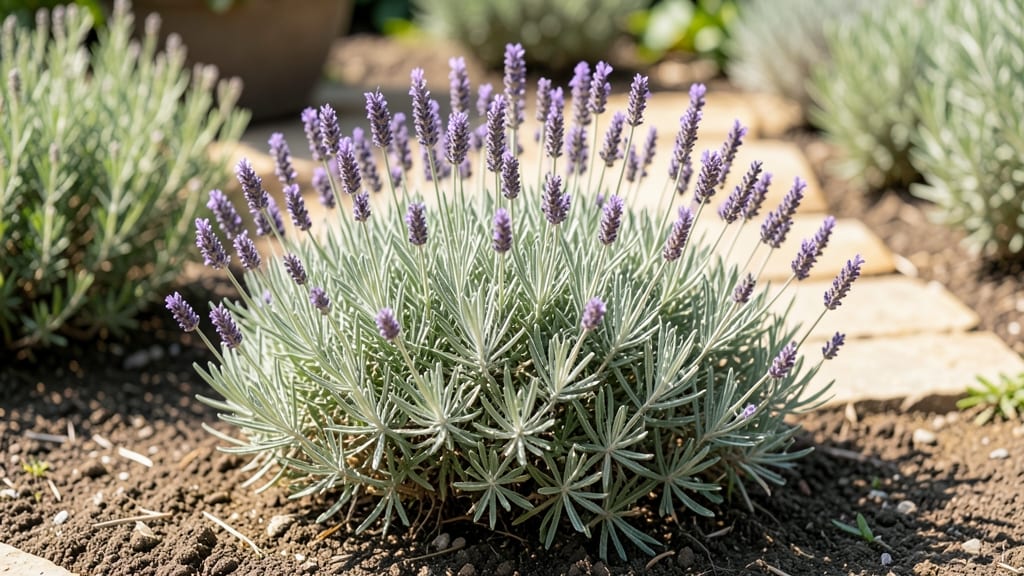
A healthy lavender plant starts with the right conditions—full sun, dry soil, and a little patience. 🌞 I’ve grown lavender for years, and the secret isn’t complicated: it thrives when you mimic its Mediterranean roots.
Too much water or shade, and you’ll end up with a sad, leggy plant. But get it right, and you’ll have fragrant blooms that last for months.
The key is well-drained soil—lavender hates soggy roots. Mix in sand or gravel if your soil stays damp, and plant in a spot where it gets at least 6-8 hours of sun daily.
Water only when the top inch of soil is dry, and never let it sit in standing water. Once established, lavender is drought-tolerant, so less is more.
Pruning keeps your plant bushy and blooming. After flowering, trim back about one-third of the growth to encourage new shoots. Avoid heavy pruning in fall or winter, as lavender needs its foliage to protect it from cold.
With the right care, your lavender will reward you with vibrant purple spikes and a soothing fragrance that lasts all season.
If your lavender starts looking leggy or sparse, it might need more sun or less water. Yellowing leaves? That’s often a sign of overwatering. But don’t worry—lavender is forgiving once you get the basics down.
With these simple steps, you’ll have a fragrant, zero-fuss plant that’s the star of your garden.
📚 In This Guide
- What you need
- Instructions
- Tips and common mistakes
- Wrapping up and next steps
What you need
- ● Lavender plants or seeds: 1–3 English lavender (Lavandula angustifolia) or French lavender (Lavandula dentata) plants (hardy and fragrant). OR 1 packet of lavender seeds (if starting from scratch—patience required!).
- ● Well-draining soil: 5–10 gallons of cactus/succulent mix (or regular potting soil + 50% perlite/sand). For in-ground planting: Amend clay soil with 1 part compost + 2 parts coarse sand.
- ● Containers (if potted): 1–3 terracotta pots (12–18" diameter with drainage holes) or raised beds.
- ● Sunlight access: 6+ hours of full sun daily (south-facing windows or outdoor space).
- ● Watering can or hose: With a thin, long spout for precise watering (lavender hates soggy roots!).
- ● Pruning shears: 1 pair of sharp, clean shears (sterilize with rubbing alcohol).
- ● Slow-release fertilizer: 1 packet of balanced 10-10-10 or organic lavender fertilizer (apply sparingly).
- ● Mulch: Gravel or pebbles (keeps roots cool and deters weeds).
- ● Support stakes: 2–3 bamboo stakes or trellises (for taller varieties like Lavandula stoechas).
- ● pH testing kit: To check soil pH (ideal range: 6.5–7.5).
- ● Drip irrigation system: For automated, low-stress watering (great for dry climates).
Step-by-step instructions for growing a healthy lavender plant
Here's how I keep my lavender thriving with minimal fuss—just follow these simple steps.
🪴 Step 1: Choose the Right Spot and Soil
Lavender craves full sun—at least 6-8 hours daily. I always pick the driest, sunniest corner of my garden because lavender hates soggy roots. The soil should be well-draining, preferably sandy or gravelly. If your soil is heavy clay, mix in 1 part sand or perlite to 3 parts garden soil.
Before planting, test your spot: lavender grows best in soil with a pH between 6.5 and 7.5. If your soil is too acidic, add a handful of lime to raise the pH. You'll know you've got the right conditions when the soil feels gritty and drains water quickly after watering.
☀️ Step 2: Plant at the Correct Depth and Spacing
Dig a hole twice as wide as the root ball but no deeper. Lavender roots are shallow, so burying too deep suffocates them. Gently remove the plant from its container and loosen any circling roots with your fingers. Place it in the hole so the top of the root ball sits just below soil level—never deeper.
Space plants 18-24 inches apart to allow airflow and prevent disease. I plant mine in a loose grid pattern so I can easily reach between them for pruning. After planting, water deeply to settle the soil, but don’t drown it—lavender wilts quickly in wet soil.
💧 Step 3: Water Sparingly and Only When Necessary
Here’s the thing—lavender is drought-tolerant once established. Water deeply once a week during the first growing season, but only when the top 2 inches of soil feel completely dry. After the first year, water every 2-3 weeks unless your area experiences extreme heat or drought.
You’ll know you’re watering right when the soil around the base feels dry to the touch but the roots below stay moist. Overwatering is the fastest way to kill lavender—yellowing leaves or mushy stems are sure signs you’re giving it too much love.
✂️ Step 4: Prune for Bushier Growth and Longer Blooms
Prune lavender right after flowering to encourage next year’s blooms. Cut back one-third of the previous year’s growth with clean, sharp shears. I always prune in early summer so the plant has time to harden off before winter. Never prune into old wood—you’ll see it as the bare, woody stems at the base.
Shape the plant lightly to maintain its natural form, but avoid heavy pruning. Lavender grows slowly, and aggressive cuts can leave it vulnerable to winter damage. After pruning, give the plant a light watering to help it recover.
🌿 Step 5: Protect and Maintain Through the Seasons
In winter, lavender needs protection from wet soil and frost. If you’re in a cold climate, mulch lightly with 2-3 inches of gravel or straw around the base to insulate the roots. I avoid organic mulch because it retains too much moisture—lavender roots rot easily in winter.
Fertilize lavender only once a year in early spring with a low-nitrogen, balanced fertilizer (like 5-5-5). Too much nitrogen makes lavender grow lush foliage but few flowers. Watch for pests like spider mites or aphids—spray with neem oil if you spot them, but lavender rarely needs intervention.
Tips & tricks for perfect lavender plant care
Took me a while to figure these out, so here goes—your lavender's health depends on these small but mighty details.
Sunlight Strategy: That 6-8 hours of full sun isn't just a suggestion—it's non-negotiable. I've seen lavender struggle in partial shade, even when it seemed like enough light. If your garden spot only gets 4-5 hours, consider a sunny windowsill or grow light for container plants. Morning sun is especially beneficial as it dries dew quickly, preventing fungal issues.
Soil Test Tip: Don't guess about that pH between 6.5 and 7.5—grab a simple soil test kit from your garden center. I learned this the hard way after adding too much lime to my slightly alkaline soil. The lavender survived but grew slower than expected. Aim for neutral to slightly alkaline soil for optimal growth.
Pruning Precision: When cutting back that one-third of previous year's growth, focus on shaping rather than just hacking. I use clean shears and make cuts at a 45-degree angle just above a leaf node. This encourages bushier growth and prevents water from pooling on the stems, which can lead to rot. Always prune after flowering—never in late summer or fall.
Winter Protection Hack: For that 2-3 inches of gravel or straw mulch, I use small river rocks I collected from my backyard. They stay in place during winter rains and provide excellent insulation. Just avoid piling them against the stems—keep them 2-3 inches away to prevent moisture buildup at the base.
Pro Tips for Healthy Lavender Plant
- Took me a while to figure these out, so here goes—your lavender's health depends on these small but mighty details.
- Sunlight Strategy: That 6-8 hours of full sun isn't just a suggestion—it's non-negotiable.
- Soil Test Tip: Don't guess about that pH between 6.5 and 7.5—grab a simple soil test kit from your garden center.
Frequently asked questions
Got questions about keeping your healthy lavender plant thriving? You’re not alone! Here are answers to the most common concerns—from pruning to pests and everything in between.
How often should I water my lavender plant?
Lavender hates soggy roots! Water deeply only when the top 1–2 inches of soil feel dry—usually every 1–2 weeks, depending on your climate. Overwatering is the #1 killer of lavender. Pro tip: Use a well-draining pot with a saucer (empty it after watering!) to prevent root rot.
When and how should I prune my lavender?
Prune right after flowering (late spring/early summer) to encourage bushier growth. Use clean, sharp shears to trim 1/3 of the plant, focusing on leggy stems. Avoid cutting into old wood—lavender struggles to regrow from there! Warning: Never prune in fall or winter; it weakens the plant for winter survival.
What are common pests for lavender, and how do I get rid of them?
Lavender is pretty pest-resistant, but you might spot aphids, spider mites, or whiteflies. Spray the plant with neem oil or insecticidal soap for mild infestations. For severe cases, introduce ladybugs (nature’s pest control!). Preventative tip: Keep your lavender well-watered but not wet—pests love stressed plants!
Can lavender grow indoors, and what sunlight does it need?
Yes, but it’s tricky! Lavender needs at least 6–8 hours of direct sunlight daily. Place it near a south-facing window or use a grow light. If indoors, expect slower growth and fewer blooms. Alternative idea: Try a compact lavender variety like ‘Hidcote’ for smaller spaces!
Why isn’t my lavender blooming?
Lavender needs full sun, well-draining soil, and patience—it often takes 1–2 years to bloom! If it’s established but still not flowering, check for:
- Overcrowding (trim back nearby plants)
- Too much nitrogen (use a low-fertility soil)
- Improper pruning (avoid cutting into old wood)
Wrapping up and next steps
Growing a healthy lavender plant is simpler than you think—just follow the right steps, and you’ll soon enjoy fragrant blooms that bring calm and beauty to your space! 🌿 With the right soil, sunlight, and a little TLC, lavender thrives with minimal fuss.
Whether you’re a beginner or a seasoned gardener, this guide makes it easy.
Now that you’re armed with the knowledge, take the next step—pick a sunny spot, grab your supplies, and start planting! Your future lavender garden (and your senses) will thank you. Happy growing! 🌱