
Planting
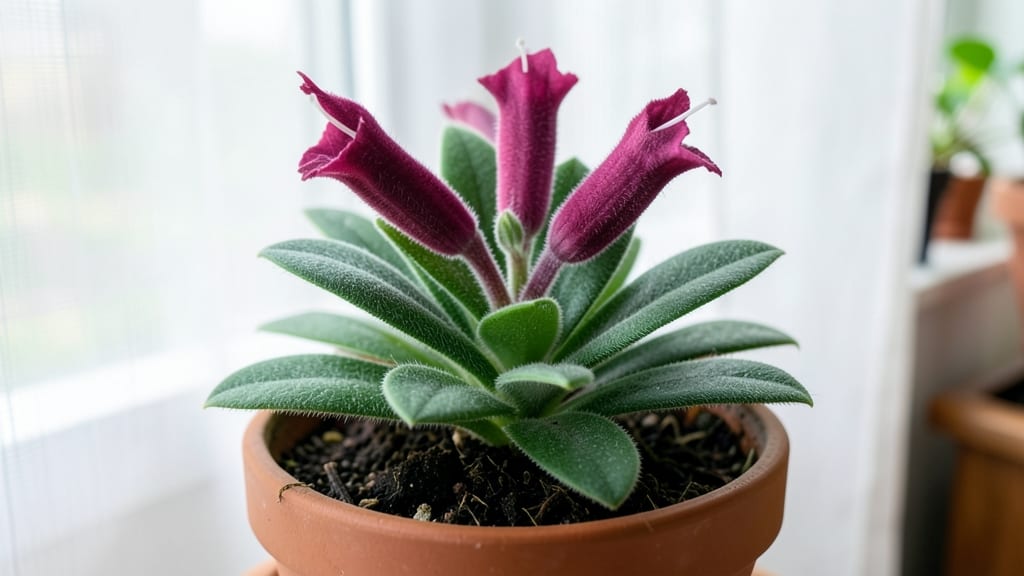
Growing toothache plant (Zamioculcas zamiifolia) is the perfect way to bring resilience and natural remedies into your home—its glossy leaves thrive with minimal fuss. 🌱 I’ve nurtured mine for years, and it’s never failed to deliver both striking foliage and soothing relief when needed.
The secret lies in its adaptability: it tolerates low light, irregular watering, and even dry indoor air better than most houseplants.
You’ll need just a few basics to get started: a well-draining potting mix, a pot with drainage holes, and bright, indirect light (though it survives in lower light too). Water only when the top inch of soil feels dry—overwatering is the fastest way to kill this hardy plant.
Humidity isn’t critical, but occasional misting keeps those leaves extra vibrant.
Once established, this plant grows slowly but steadily, rewarding you with thick, dark green leaves perfect for poultices. The best part? It propagates easily from stem cuttings, so you can share your plant—or expand your collection—without much effort. Even my brownest thumb couldn’t kill this one.
Common issues like yellowing leaves or slow growth usually stem from overwatering or poor drainage. Adjust your care routine, and you’ll have a thriving toothache plant that’s as reliable as it is beautiful. Ready to grow yours?
📚 In This Guide
- What you need
- Instructions
- Tips and common mistakes
- Wrapping up and next steps
What you need
- ● Toothache plant seeds or cuttings: Buy organic, non-GMO seeds (5–10 seeds or 2–3 cuttings) from a reputable nursery or online supplier. Look for Acmella oleracea or "false daisy."
- ○ Containers: Small pots (4–6 inches in diameter) with drainage holes for seedlings, or a larger pot (10+ inches) for mature plants. Optional: Self-watering planters for convenience.
- ● Potting soil: Well-draining, organic mix (e.g., 60% peat moss, 30% perlite, 10% compost). Avoid heavy clay soil.
- ● Slow-release fertilizer: Balanced 10-10-10 or organic options like fish emulsion (follow package instructions).
- ● Pruning shears or scissors: For harvesting leaves (sterilize with rubbing alcohol).
- ● Spray bottle: For gentle watering of seedlings.
- ○ Gloves (optional): To protect hands from spiky leaves or soil.
- ● Humidity dome or plastic wrap: To retain moisture during germination (if starting from seeds).
- ● Poultice supplies (for later): Cheesecloth or clean gauze
- ● Fresh toothache plant leaves
- ● Warm water (for activating compounds)
- ○ Sunlight: Bright, indirect light (4–6 hours daily). Optional: Grow lights for indoor setups.
- ● Temperature: Warmth (70–80°F / 21–27°C). Avoid drafts or cold windowsills.
- ● Patience: Seeds take 2–4 weeks to sprout; cuttings root in 2–3 weeks.
- ● Space: Mature plants need 12+ inches of spacing (or can be grown in containers).
Step-by-step guide to growing toothache plant (Coleus blumei)
This easygoing plant thrives with minimal fuss—just follow my foolproof method for lush, medicinal leaves.
🌱 Step 1: Select and Prepare Your Planting Spot
Toothache plant (Coleus blumei) loves bright, indirect light—think 4-6 hours of morning sun followed by afternoon shade. A south-facing window with sheer curtains works perfectly indoors, while outdoors, a sheltered porch or patio spot with dappled sunlight is ideal. I always place mine near a window where it gets morning rays but avoids harsh afternoon heat.
If growing outdoors, choose a spot with well-draining soil—this plant hates soggy roots. Amend heavy soil with 1 part perlite to 3 parts garden soil to improve drainage. The key is keeping the roots happy while giving the leaves plenty of light to develop their soothing compounds.
🪴 Step 2: Plant Your Toothache Plant
Fill a 6-8 inch pot with light, airy potting mix (I use a blend of 50% peat moss, 30% perlite, and 20% compost). Gently remove the plant from its nursery container and loosen the roots if they’re tightly bound. Place it in the pot so the top of the root ball sits ½ inch below the rim—this prevents overwatering and keeps the soil level stable.
Press the soil lightly around the roots to eliminate air pockets, then water thoroughly until water drains from the bottom. You’ll know it’s right when the top ½ inch of soil feels damp but not soggy. Avoid letting the plant sit in standing water—this is the #1 killer of Coleus plants.
💧 Step 3: Water and Maintain Ideal Conditions
Water your toothache plant when the top inch of soil feels dry to the touch—usually every 5-7 days, but adjust based on humidity and light. I like to water deeply at the base, avoiding the leaves to prevent fungal issues. Overwatering leads to yellowing leaves, while underwatering causes crispy edges, so find that sweet spot where the soil stays consistently moist but never waterlogged.
Keep the plant in 65-75°F temperatures—it thrives in average household conditions. If growing outdoors, bring it inside before temperatures drop below 50°F at night. A gentle misting every few weeks helps maintain humidity, especially if your home has dry air.
☀️ Step 4: Prune for Bushier Growth and Harvesting
Pinch back the tips of new growth when the plant reaches 4-6 inches tall—this encourages bushier, fuller foliage. Use clean, sharp scissors to snip just above a leaf node (the bump where leaves grow). Regular pruning also keeps the plant from becoming leggy, which happens when it stretches toward light.
To harvest leaves for poultices, pick mature, vibrant green leaves from the lower stems. The larger the leaf, the more soothing compounds it contains. After harvesting, water the plant and place it back in bright, indirect light to encourage new growth. You’ll notice fresh leaves emerging within 2-3 weeks—that’s your signal the plant is thriving!
✂️ Step 5: Propagate for More Plants (Optional)
Toothache plant spreads easily through stem cuttings, so you can multiply your plants without buying new ones. Snip a 4-6 inch stem just below a leaf node, then remove the lower leaves, leaving 2-3 leaves at the top. Place the cutting in a glass of water—it’ll root in 1-2 weeks when you see tiny roots forming.
Once rooted, transplant the cutting into its own pot with fresh potting mix. Keep it in bright, indirect light and water lightly until established. This is how I’ve grown my entire collection—no need to buy new plants when you can propagate your own!
Tips & tricks for perfect toothache plant growth
These simple tricks will help you grow a thriving toothache plant with medicinal leaves that never disappoint.
Lighting Secret: That 4-6 hours of morning sun is non-negotiable for developing the plant's soothing compounds. I've found that rotating your pot every few weeks ensures even light exposure on all sides, preventing lopsided growth. If your plant starts stretching toward the light, it's begging for more brightness—consider moving it closer to your window or adding a grow light for 12-14 hours per day during winter months when natural light is scarce.
Drainage is Everything: The ½ inch below the rim planting depth isn't just about aesthetics—it's a water management system. I've learned this the hard way after losing plants to root rot. Make sure your pot has drainage holes, and always use a cache pot underneath to catch excess water. For extra insurance, I add a layer of small pebbles at the bottom of the pot before adding soil.
Harvesting Hack: When harvesting those mature, vibrant green leaves, I always choose the largest, most developed leaves from the lower stems first. This encourages the plant to produce even more leaves at the base. After harvesting, I give the plant a good drink and move it back to its bright spot—within those 2-3 weeks, you'll see fresh growth ready for your next poultice.
Propagation Pro Tip: Don't wait until your plant is overgrown to propagate! I start taking 4-6 inch stem cuttings whenever I see healthy growth, which means I always have spares ready. The key is keeping those cuttings in water with just 2-3 leaves at the top—any more leaves will just rot in the water. Change the water every few days to prevent bacterial growth, and you'll have new plants in no time.
Pro Tips for Growing Toothache Plant
- These simple tricks will help you grow a thriving toothache plant with medicinal leaves that never disappoint.
- Lighting Secret: That 4-6 hours of morning sun is non-negotiable for developing the plant's soothing compounds.
- Drainage is Everything: The ½ inch below the rim planting depth isn't just about aesthetics—it's a water management system.
Frequently asked questions
How long does it take for a toothache plant to grow big enough for use?
A healthy toothache plant (Spilanthes acmella) can reach harvestable size in 6–8 weeks from seed, given warm conditions (70–80°F) and consistent moisture. If you’re growing from cuttings, expect 4–6 weeks for robust leaves. Patience pays off—young leaves are milder but still effective!
What if my toothache plant isn’t growing? Troubleshooting tips?
Check these common issues:
Slow growth? Ensure it gets 6+ hours of sunlight daily or bright indirect light. Use a seed-starting mix for young plants.
Yellowing leaves? Overwatering or poor drainage! Let soil dry slightly between waterings and use a pot with drainage holes.
No flowers? It may need warmer temps (75°F+) or a light pinch of fertilizer (like diluted fish emulsion).
Still struggling? Try propagating from a friend’s plant—it’s hardy once established!
Can I use toothache plant leaves fresh, or do I need to dry them first?
Both work! Fresh leaves are best for immediate poultices (just crush them), while dried leaves last longer and can be stored in jars. To dry: Bundle stems, hang upside-down in a dark, dry place for 1–2 weeks, then crumble. Pro tip: Freeze fresh leaves in ice cube trays for a quick remedy later!
Are there alternatives if I can’t grow toothache plant?
Try these natural numbing agents:
- Clove oil (eugenol): Dab a tiny amount on a cotton ball for instant relief.
- Vanilla extract (alcohol-free): Soothes gums and has mild anesthetic properties.
- Guava leaves: Crush and apply like a poultice (common in tropical regions).
- Over-the-counter gels (e.g., Orajel with benzocaine) for temporary relief.
But toothache plant’s natural numbing effect is unmatched—worth growing!
Is toothache plant safe for kids or pets?
Use extreme caution! While generally safe for adults in small poultice amounts, the plant’s tingling sensation can be overwhelming for kids. Avoid internal use (no chewing or swallowing). For pets: Keep out of reach—ingestion may cause mild stomach upset. When in doubt, consult a vet or pediatrician.
Wrapping up and next steps
Growing your own toothache plant (Spilanthes acmella) is a rewarding way to harness nature’s healing power right at home! 🌱 With just a few leaves, you can create a soothing poultice for quick relief—no pharmacy needed.
Whether you’re a seasoned gardener or a beginner, this easy-to-grow herb is your go-to remedy for discomfort.
Ready to take the next step? Start your toothache plant today and keep a few leaves on hand for those unexpected aches. Share your experience with friends or explore other natural remedies—your wellness journey begins with a single seed! 🌿