
Planting
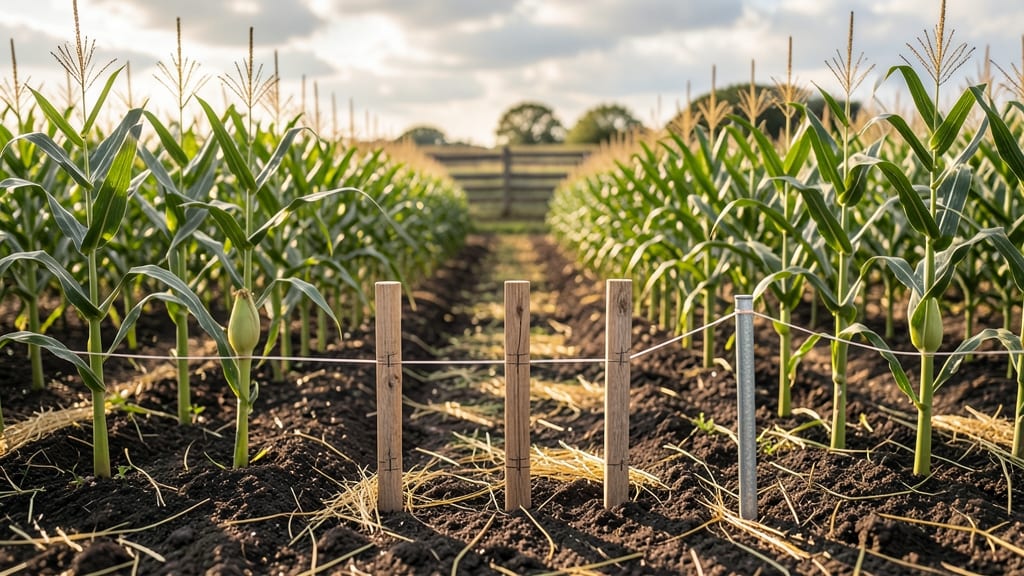
A corn row spacing chart is the single most important factor for maximizing your harvest — and one small mistake can cost you dozens of ears.
Picture this: you’ve spent weeks preparing your garden, only to watch your corn stalks lean into each other, struggling for sunlight and air. That’s not just a lost crop; it’s lost potential — bigger ears, stronger plants, and fewer diseases — all because the spacing was off.
This science-backed corn row spacing chart gives you the exact inches for every variety, from sweet corn to field corn, so you can plant with confidence. Whether you’re working with 24-inch rows or tight 12-inch beds, we’ll show you how to adjust for soil, climate, and even small gardens.
You’ll learn the ideal plant-to-plant distance, how to avoid common mistakes that slash yields, and when to tweak spacing for drought or high-density goals. Ready to grow corn like a pro?
Corn row spacing chart: exact inches for different corn varieties
Getting the corn row spacing right can mean the difference between a thriving harvest and a disappointing yield. Corn needs proper airflow and sunlight to develop strong stalks and plump ears.
Whether you're growing sweet corn, field corn, or popcorn, the spacing requirements vary. Let's dive into the exact measurements that will maximize your corn's potential.
Most gardeners focus on row-to-row spacing, but plant-to-plant spacing is equally critical. Crowding plants too closely leads to disease pressure and stunted growth, while spacing them too far apart wastes garden space. The key is finding the balance that ensures optimal sunlight exposure and nutrient access for each variety.
Here’s a science-backed corn row spacing chart that covers the most popular varieties. These measurements are based on USDA recommendations and real-world gardening success stories from both small plots and large-scale farms.
For sweet corn, the most common spacing is 30-36 inches between rows and 6-8 inches between plants. This setup ensures each plant gets enough sunlight and nutrients while maximizing yield.
If you're growing dwarf varieties, you can reduce row spacing to 24-30 inches and plant seeds 4-6 inches apart to fit more plants in a small garden.
When planting field corn or popcorn, wider spacing is essential. Field corn, which grows much taller, needs 36-40 inches between rows and 10-12 inches between plants to support its height and prevent lodging.
Popcorn, while similar to sweet corn in spacing, benefits from consistent spacing to ensure uniform ear development.
If you're aiming for a high-yield harvest, consider planting in double rows. This technique involves planting two rows close together (about 12-18 inches apart) with wider spacing between the double-row units (36-48 inches).
This method increases plant density while still allowing adequate air circulation and sunlight penetration.
For small gardens or containers, you can experiment with tighter spacing
How to adjust corn spacing for soil type, climate, and planting goals
Your corn plants thrive when their spacing matches your soil type and climate zone. In sandy soil, for example, roots spread wider, so widen rows to 36 inches for better moisture retention.
Meanwhile, clay soil holds water longer—narrow rows to 24 inches to prevent root rot. Let’s break down how to tweak spacing for your unique growing conditions.
If you’re in a drought-prone area, prioritize wider spacing (30-36 inches) to reduce competition for water. For humid climates, tighten rows to 24 inches to improve airflow and cut fungal risks.
Your planting goals also matter: high-yield goals need denser spacing (12-18 inches apart), while ease of harvesting works better with wider gaps (24+ inches).
- 1. Sandy Soil: 36-inch rows, 12-inch spacing (roots spread fast—prevents drought stress)
- 2. Clay Soil: 24-inch rows, 18-inch spacing (improves drainage, avoids waterlogging)
- 3. Drought Areas: 30-36-inch rows, 18-inch spacing (reduces water competition)
- 4. Humid Climates: 24-inch rows, 12-inch spacing (boosts airflow, cuts fungal diseases)
- 5. Raised Beds: 18-inch rows, 6-inch spacing (maximizes vertical growth)
- 6. Containers: 12-inch spacing, 5-gallon pots (1 plant per container)
- 7. Small Gardens: Square foot method: 4 plants/ft² (9-inch spacing)
For raised beds, squeeze plants into 18-inch rows with 6-inch spacing—this mimics natural corn growth patterns while saving space. In containers, use 5-gallon pots with one plant per container and space pots 12 inches apart.
Small gardens? Try the square foot method: plant 4 corn seeds per square foot in a grid pattern for easy access.
If disease resistance is your priority, widen rows to 30 inches and space plants 18 inches apart. This reduces humidity around leaves, cutting risks of corn smut or leaf blight.
For organic gardens, add compost-rich mulch between rows to improve soil structure and water retention—critical for adjusting spacing without sacrificing yield.
Pro tip: Mark your corn rows with stakes or string to maintain even spacing, especially in windy areas where plants can lean. In high-wind zones, increase row spacing to 36 inches to prevent stalks from breaking.
Always adjust spacing mid-season if plants look crowded—thin seedlings to 12-18 inches apart by the time they’re 6 inches tall.
Remember, corn spacing is a balancing act: too close = smaller ears, too far = wasted space. Start with the chart above, then tweak based on your first harvest results. Happy planting! 🌱