
Planting
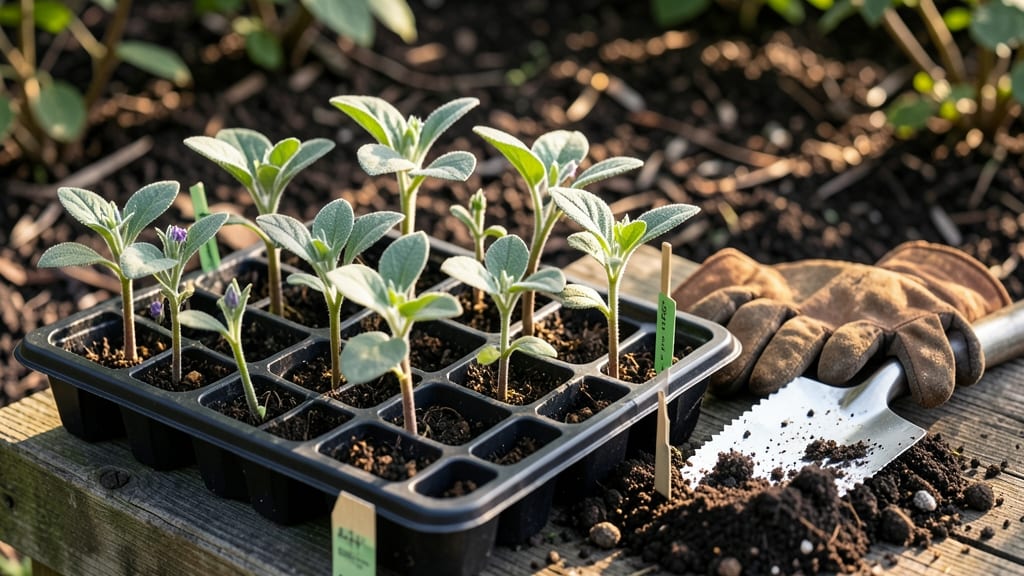
Fast-germination brinjal saplings mean harvests just 8-10 weeks sooner than starting from seed. 🌱 I’ve struggled with slow-growing eggplants before—until I discovered these simple tricks that turn weak seedlings into sturdy, fast-growing plants ready for transplanting.
The secret starts with soil temperature: brinjals need soil at 75°F or warmer to germinate quickly. Use a heat mat if your climate is cool, and keep seedlings in bright, indirect light until their first true leaves appear.
Overwatering is the #1 killer—let the top inch dry between waterings to prevent damping off. You’ll notice roots forming along the stem (not just at the base) within 10-14 days, signaling it’s time to transplant.
These plants grow aggressively once established, so give them plenty of space—18-24 inches apart—to avoid competition. This method works for both garden beds and containers, and it’s especially useful if you’re in a short growing season.
Here’s how to get those saplings off to the fastest, strongest start possible.
📚 In This Guide
- What you need
- Instructions
- Tips and common mistakes
- Wrapping up and next steps
What you need
- ● Brinjal seeds – Choose high-quality, disease-resistant varieties (e.g., Arka Meghali or Pusa Purple Round). Quantity: 10–20 seeds (or 2–3 per pot if transplanting).
- ● Seed trays or small pots – 2–3 inch (5–7.5 cm) deep containers with drainage holes. Quantity: 1–2 trays or 10–12 small pots.
- ● Seed starting mix – Lightweight, sterile potting soil with perlite or coco coir for aeration. Quantity: 1–2 bags (enough to fill trays/pots).
- ● Watering can or spray bottle – For gentle hydration (avoid over-saturating seeds!).
- ● Plastic wrap or humidity dome – To retain moisture during germination.
- ● Grow lights or sunny windowsill – Brinjals need 6–8 hours of light daily for strong saplings.
- ● Gloves – Protect your hands from soil and sap.
- ● Small hand trowel – For transplanting saplings later.
- ○ Fertilizer (balanced 10-10-10 or organic) – Dilute to half-strength for young seedlings. Optional: Use compost tea for a natural boost.
- ○ Heating mat (optional) – Speeds up germination in cooler climates (70–80°F / 21–27°C ideal).
- ● Label markers – Track seed varieties and planting dates!
Step-by-Step instructions for germinating brinjal saplings quickly
Here’s how I guarantee fast, vigorous brinjal germination—no more waiting weeks for stubborn seeds.
🌱 Step 1: Prep Seeds for Faster Germination
Brinjal seeds have a tough outer coating that slows sprouting. To speed things up, soak them in lukewarm water for 12 hours before planting. Place them in a small bowl, cover with water, and let them sit—you’ll see the water turn slightly cloudy as the seed coats soften.
After soaking, drain and gently blot the seeds dry with a paper towel. This prevents mold while keeping them hydrated enough to break dormancy quickly. I always label the bowl with the date—germination should begin within 3-5 days if done right.
🪴 Step 2: Use Light, Airy Soil Mix
Fill small pots (2-3 inches deep) with a sterile seed-starting mix—never garden soil, which compacts and suffocates roots. I blend mine with 20% perlite to improve drainage, since brinjal seedlings rot easily if soggy. Moisten the mix until it’s damp like a wrung-out sponge, but not dripping.
Press the soil down lightly to remove air pockets, then make small ¼-inch-deep holes with your finger. Space them 1 inch apart—crowding leads to weak, leggy seedlings. Tap the pot gently to settle the soil around the holes before planting.
💧 Step 3: Plant and Maintain Ideal Moisture
Drop 1-2 prepped seeds into each hole and cover lightly with soil, just enough to hide them. Mist the surface with water until the soil looks uniformly damp but not wet. Brinjals hate drying out or sitting in water—aim for "evenly moist" like a damp sponge.
Cover the pots with a clear plastic dome or plastic wrap to trap warmth and humidity. Place them in a warm spot (75-85°F)—a seedling heat mat speeds things up if your home runs cooler. Check daily but never remove the cover until 50% of seeds sprout—this prevents the soil from drying too fast.
☀️ Step 4: Provide Bright, Indirect Light Immediately
The moment seedlings emerge, move them to bright, indirect light—a south-facing window works, but supplement with a grow light if natural light is weak. Place the light 2-4 inches above the seedlings and keep it on for 14-16 hours daily. Without enough light, they’ll stretch toward the source, becoming weak and spindly.
You’ll know they’re getting the right light when the first true leaves (not the initial seed leaves) are dark green and compact. If they look pale or leggy, lower the light or move the pot closer. Avoid direct sun at this stage—it burns tender seedlings.
⏰ Step 5: Thin and Harden Off for Transplanting
Once seedlings have 2-3 sets of true leaves (usually 3-4 weeks after sowing), thin the weaker one in each pot. Use scissors to snip at soil level—never pull, or you’ll disturb the roots of the remaining plant. This ensures the stronger seedling gets all the nutrients.
Start hardening off 2 weeks before transplanting by placing pots outside in partial shade for 1-2 hours the first day. Gradually increase time and sun exposure over 7-10 days. Watch for wilting or yellowing—if it happens, they’re not ready yet. Transplant on a cloudy day or late afternoon to reduce shock.
Tips & tricks for perfect brinjal sapling germination
Here's what I learned after struggling with slow, weak brinjal starts—these tricks cut germination time by nearly half.
Soaking Secret: The 12-hour lukewarm water soak isn't just about softening the seed coat—it also helps identify viable seeds. Discard any that float (they won't sprout) and save the ones that sink. I also add a tiny pinch of cinnamon to the soaking water (optional) to prevent mold without affecting germination.
Temperature Matters: That 75-85°F range is critical for consistent results. If your home runs cooler, place pots on a seedling heat mat set to 80°F. I've found that seeds germinate 24-48 hours faster when kept at the upper end of this range. Never let soil temps drop below 70°F or germination slows dramatically.
Lighting Strategy: The 14-16 hours of light in Step 4 should include some blue spectrum light if possible—it prevents leggy growth. I use a simple LED grow bulb that costs under $20. Position it 3 inches above seedlings at first, then raise as they grow. Watch for dark green, compact leaves—they're your sign of perfect light conditions.
Harden Off Gradually: During the 2-week hardening process, I increase exposure time by 30 minutes daily rather than doubling it. This mimics natural sun patterns and prevents shock. On windy days, use a small screen to shield seedlings while still allowing airflow—this toughens them without stress.
Pro Tips for Brinjal Plant Saplings
- Here's what I learned after struggling with slow, weak brinjal starts—these tricks cut germination time by nearly half.
- Soaking Secret: The 12-hour lukewarm water soak isn't just about softening the seed coat—it also helps identify viable seeds.
- Temperature Matters: That 75-85°F range is critical for consistent results.
Frequently asked questions
Got questions about nurturing your brinjal plant saplings? You’re not alone! Here are the most common queries—plus quick, actionable answers to keep your eggplant garden thriving.
How long does it take for brinjal saplings to germinate?
With the right tricks (like soaking seeds overnight or using a heat mat), germination usually takes 7–14 days. Patience is key—keep soil moist (not soggy) and maintain warmth (70–85°F). If sprouts don’t appear in 3 weeks, try fresh seeds or adjust humidity.
When is the best time to transplant brinjal saplings outdoors?
Wait until nighttime temps stay above 50°F (10°C) and all frost risk has passed. For most climates, this means after the last frost date (typically late spring/early summer). Harden off seedlings first by gradually exposing them to outdoor conditions over 1–2 weeks.
Can I grow brinjal saplings from store-bought eggplants?
Technically yes, but it’s risky! Store-bought eggplants are often hybrids and may not produce true-to-type fruit. For reliable saplings, buy organic, seed-starting brinjal seeds or save seeds from heirloom varieties. If experimenting, let the fruit fully ripen (turn yellow) before extracting seeds.
What should I do if my brinjal saplings look wilted or yellow?
Wilting or yellowing often signals overwatering, underwatering, or pests. Check soil moisture (top inch should dry between waterings) and inspect leaves for aphids or spider mites. Boost health with a balanced fertilizer (like 10-10-10) and ensure 6+ hours of sunlight daily. Prune damaged leaves to redirect energy.
Do brinjal saplings need special care in hot or cold climates?
Hot climates:
Provide afternoon shade and mulch to retain moisture. Cold climates: Use row covers or grow in containers to move indoors during chilly nights. Both extremes benefit from consistent watering—brinjals hate drought stress! For extra protection, try black plastic mulch to warm soil.
Wrapping up and next steps
Growing brinjal plant saplings from scratch can be a rewarding journey when you know the right tricks! 🌱 With the right soil mix, proper spacing, and a dash of patience, you’ll soon be harvesting vibrant, healthy plants. Remember, consistency is key—whether it’s watering, sunlight, or monitoring pests.
Now that you’re armed with these fast-germination tips, it’s time to roll up your sleeves and get planting! Start with just a few saplings to practice, and soon, you’ll be expanding your garden like a pro. Happy growing! 🌿