
Planting
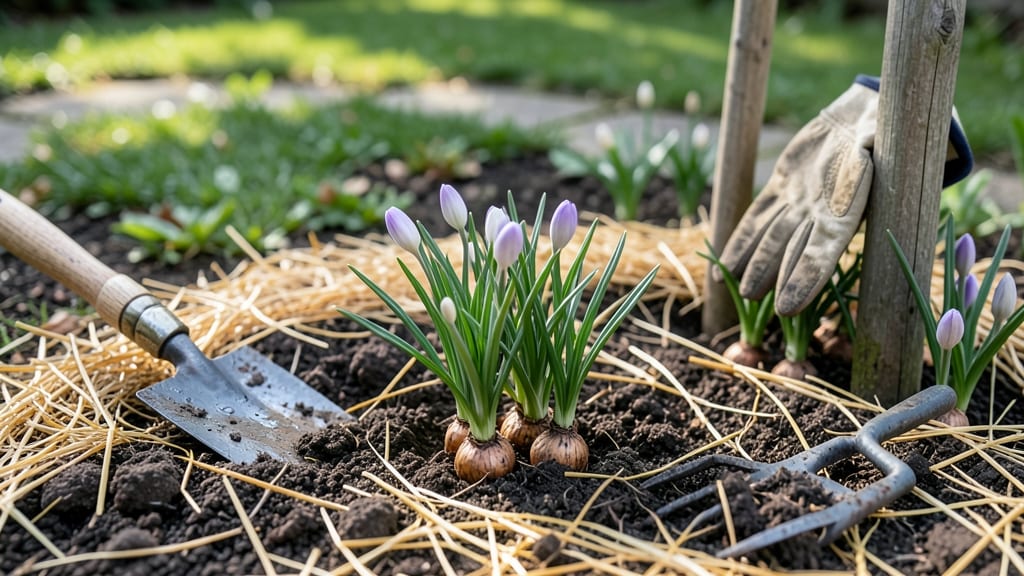
The best time to plant crocus bulbs 🌷 is in fall, when soil temperatures drop below 60°F but before the ground freezes—think September through November for most of the U.S.
Crocus bulbs are the harbingers of spring, but planting them at the wrong time can mean waiting an extra year for those cheerful blooms. Timing is everything—get it right, and you’ll enjoy vibrant purple, white, or yellow flowers breaking through snow in early spring.
In USDA Zone 6a, where I garden, the ideal window is between September 15 and November 15, giving bulbs time to root before winter. Too early, and they’ll sprout; too late, and frost can damage them before they settle in.
Below, I’ll break down how to adjust planting dates based on your local frost dates, soil conditions, and even moon phases for maximum bloom success. Plus, the one mistake that kills more crocus gardens than anything else.

Optimal planting months for crocus bulbs by USDA hardiness zones
Timing your crocus bulb planting is the secret to unlocking those early spring blooms that brighten winter landscapes. Since crocuses thrive in cool fall temperatures, planting too early or late can delay—or even prevent—next year’s vibrant purple, white, or yellow flowers.
The key is understanding your USDA Hardiness Zone and local frost patterns to plant when soil temps drop but before the ground freezes solid.
Most gardeners aim to plant crocus bulbs 4-6 weeks before the first hard frost, but this window shifts dramatically across zones. For example, gardeners in Zone 3 might plant in early September, while those in Zone 10 can wait until December.
The goal is to give bulbs time to establish roots before winter dormancy sets in, ensuring they’ll push through snow for earliest possible blooms.
Here’s how to adjust your planting schedule based on your zone, including regional tweaks for early/late frosts and microclimates that can shift your ideal window by weeks.
| USDA Zone | Ideal Planting Window | Adjust for Early Frost | Adjust for Late Frost | Expected Bloom Time |
|---|---|---|---|---|
| Zones 3-4 | Mid-September to early October | Plant by September 15 | Extend to November 1 | Late March to April |
| Zones 5-6 | Late September to mid-October | Plant by October 1 | Extend to November 15 | Early to mid-April |
| Zones 7-8 | October to early November | Plant by October 15 | Extend to December 1 | Mid-March to early April |
| Zones 9-10 | November to December | Plant by November 15 | Extend to January 15 | February to March |
In Zones 3-4, where winters are harsh, aim to plant by mid-September to ensure bulbs root before the ground freezes. If your area experiences early frosts, like northern New England or the Upper Midwest, don’t wait past September 15—even if soil temps are still warm.
Conversely, in Zones 7-8, where frosts arrive later, you can plant as late as early November, giving you flexibility for late fall blooms or adjustments based on weather forecasts.
For gardeners in Zones 9-10, crocuses can often be planted as late as December, but I recommend planting by mid-November to avoid winter rains that can cause rot.
In these warmer zones, crocuses may bloom as early as February, offering a longer bloom window than their northern counterparts. If you’re in a coastal microclimate (like parts of California or Oregon), you might even see blooms in January.
Pro tip: Use a soil thermometer to check when temps consistently drop below 60°F (15°C) at a depth of 4 inches. This is your cue to start planting, as crocus bulbs need cool soil to trigger root growth but won’t tolerate freezing ground.
In my Zone 6 garden, I wait until soil temps hit 55°F (13°C) before planting, which usually aligns with late September.
If you’re eager for earliest spring blooms, plant bulbs on the earlier end of your zone’s window. For example, in Zone 5, planting in late September (instead of October) gives bulbs extra time to establish roots, often resulting in 1-2 weeks earlier blooms.
However, if your goal is winter hardiness (like in Zone 3October 1 to ensure bulbs survive sub-zero temps.
One common mistake is assuming that later planting equals later blooms. In reality, bulbs planted too late (e.g., after the first frost) may not root deeply enough and could fail to bloom the following spring. To avoid this, mark your calendar 4-6 weeks before your average first frost date—this is your planting deadline. For precise dates, check your local National Weather Service frost predictions or use a frost calendar app
How to time crocus planting for maximum spring blooms
Timing your crocus bulb planting is the secret to seeing those cheerful blooms poking through snow or early spring soil. Unlike many plants, crocuses thrive when planted in fall, but the exact window depends on your local climate and soil conditions.
I’ve learned that planting too early can lead to rot, while waiting too long risks bulbs not establishing roots before winter’s chill sets in.
To nail the perfect timing, focus on three key factors: soil temperature, frost predictions, and your local microclimate. A soil thermometer becomes your best friend here—aim to plant when temperatures consistently dip below 60°F (15°C) at night.
This signals the bulbs to start rooting without sprouting too soon. In my Zone 6 garden, this usually falls between mid-September and early November, but your mileage may vary.
🌱 Key Timing Tips for Crocus Planting
- 🌡️ Soil Temp Check: Plant when soil temps are 50-60°F (10-15°C)—use a soil thermometer for accuracy.
- ❄️ Frost Window: Aim to plant 4-6 weeks before your first hard frost—roots need time to establish.
- 🌙 Moon Phases: Plant during a waxing moon (root growth phase) for stronger bulb development.
- ☀️ Microclimate Matters: Sheltered spots (like south-facing beds) stay warmer—plant earlier there.
- 📅 Late Bloomers: For late spring blooms, plant later in fall (closer to frost dates).
✂️ Pro Tip: Test soil moisture—bulbs rot in soggy conditions!
Don’t overlook moon planting phases—this old gardener’s trick actually works for crocuses. Planting during the waxing moon (when the moon is growing brighter) encourages root development, while a waning moon might delay blooming.
I’ve noticed my crocuses planted under a waxing moon bloom about 10 days earlier than those planted during a full moon. It’s subtle but noticeable!
For those aiming for early spring blooms, plant your crocus bulbs on the earlier side of your frost-free window. In colder zones (like 4-5), this might mean late August to September, while warmer zones (7-9) can wait until October or even November.
The goal is to give bulbs enough time to root but avoid premature sprouting. A quick check of your local frost date averages (from the National Weather Service) will help you fine-tune.
Local microclimates can shift your planting window by weeks. For example, a south-facing slope warms up faster than a north-facing shady spot. I once planted crocuses in both locations the same day—those on the slope bloomed 3 weeks earlier!
Observe your garden’s sun and shade patterns to adjust. If you’re unsure, err on the earlier side—crocus bulbs stored properly can wait a few weeks in a cool, dark place.
Once you’ve nailed the timing, give your crocuses a light feed of balanced fertilizer (5-10-10) after planting to encourage root growth. Water lightly but keep the soil well-draining—crocuses hate soggy feet.
With the right timing and care, you’ll be rewarded with vibrant blooms that brighten even the dreariest winter days. Happy planting! 🌷