
Planting
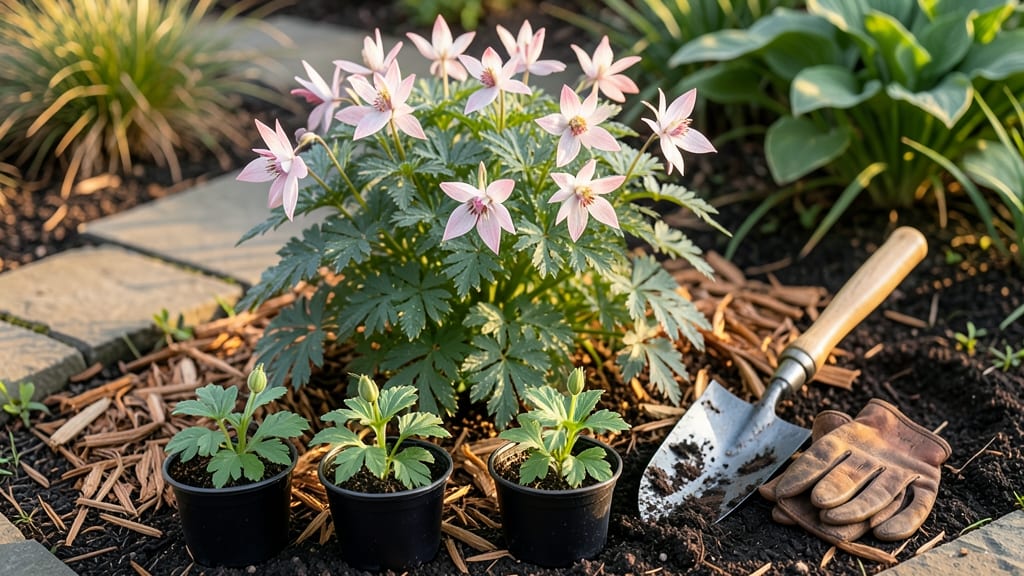
The best place to plant columbine is where it gets morning sun and afternoon shade—think dappled light under tall trees or along woodland edges. 🌿 I’ve found these delicate blooms thrive in spots where other plants wilt, their nodding flowers swaying in gentle breezes without scorching.
The key is avoiding harsh afternoon rays, which can bleach their petals or dry out the soil too quickly.
Columbine loves well-draining, slightly rocky soil that stays moist but never soggy—perfect for slopes, borders, or under deciduous trees where roots can spread without competing for water.
Plant them where they’ll get 3-6 hours of sunlight daily, and they’ll reward you with vibrant blooms from spring to early summer. My garden’s shadiest corner now bursts with color thanks to a cluster of columbine beneath a cherry tree.
You’ll see their unique spurs and fern-like foliage transform any garden spot into a whimsical retreat. Pair them with ferns, hostas, or astilbes for a woodland vibe, or let them spill over rocky edges where they’ll self-seed happily.
Just avoid heavy clay soil—they’ll thank you with longer blooming seasons and fewer pests.
For cooler climates, columbine handles frost like a champ, while warmer zones need afternoon shade to prevent stress. Whether tucked in a cottage garden or a modern border, these perennials bring effortless charm with almost no fuss. Let’s get those roots settled in the right spot!
📚 In This Guide
- What you need
- Instructions
- Tips and common mistakes
- Wrapping up and next steps
What you need
- ● Columbine plants: 3–5 young plants (bare-root or potted) for a vibrant display. Choose aquilegia varieties like ‘McKana’s Giant’ or native species for local adaptability.
- ● Well-draining soil: 1–2 cubic yards of garden loam mixed with compost (50/50 ratio) for loamy soil. For heavy clay, add perlite or sand (1 part per 3 parts soil).
- ● Organic mulch: 2–3 inches of pine bark fines or shredded leaves to retain moisture and suppress weeds.
- ● Slow-release fertilizer: 1 lb of 10-10-10 or 5-10-5 (organic options like fish emulsion work too!).
- ● Garden trowel or hand shovel for digging small holes (6–8 inches deep).
- ● Garden gloves (nitrile-coated for grip and protection).
- ● Watering can or hose with a gentle spray nozzle (avoid blasting roots!).
- ○ Measuring tape (optional, for spacing plants 12–18 inches apart).
- ● Sunlight: Confirm your spot gets partial shade (3–6 hours of dappled sun daily). Columbine hates harsh afternoon sun!
- ● Moisture: Water the area 24 hours before planting to ease transplant shock.
- ○ Wind protection: If planting in exposed areas, use stakes or a small trellis (optional) to support tall varieties.
How to choose the perfect spot for planting columbine
Here's where columbine thrives—sun-dappled spots with just the right mix of light and airflow.
☀️ Step 1: Find the Right Light Balance
Columbine loves morning sun and afternoon shade, ideally 4-6 hours of direct sunlight daily. A spot that gets bright morning rays followed by filtered light in the afternoon works best. Too much midday sun can scorch delicate petals, while too little light means fewer blooms.
Look for areas where taller trees or shrubs provide natural shade in the afternoon. You'll know you've found the perfect balance when neighboring plants like hostas or astilbes thrive nearby—these also prefer similar light conditions. Avoid deep shade spots where ferns dominate, as columbine needs some sunlight to bloom vigorously.
🌿 Step 2: Select Well-Draining Soil in a Slightly Shady Area
Columbine roots despise soggy conditions, so choose a location with well-draining soil. Test by pressing your finger into the soil—if water pools or the ground feels compacted, amend with 2-3 inches of compost or sand to improve drainage. The ideal spot feels slightly moist but never waterlogged.
Look for natural ground slopes or raised beds where excess water runs off quickly. If your yard has heavy clay soil, plant columbine on a small mound to prevent root rot. You'll see the best growth when the soil looks dark and crumbly rather than dense and hard.
💧 Step 3: Choose a Spot with Gentle Airflow
While columbine enjoys some shade, it also benefits from light breeze circulation to prevent fungal diseases. Avoid tightly enclosed garden corners or spots directly beneath dense tree canopies where air doesn't move. A location near a shrub border or along a garden pathway often provides just the right airflow.
Watch for signs of poor airflow—yellowing leaves or powdery mildew on neighboring plants indicate stagnant air. Columbine's nodding flowers naturally self-clean in gentle breezes, so choose a spot where they can sway lightly without being battered by strong winds. A partially sheltered area with dappled sunlight and occasional airflow creates the perfect microclimate.
✂️ Step 4: Consider Companion Plants for Long-Term Success
Plant columbine near low-growing perennials like creeping thyme or ajuga to create a natural understory. These companions help retain soil moisture while allowing sunlight to reach your columbine. Avoid planting near aggressive spreaders like mint or bamboo, which can crowd out delicate columbine roots.
Group 3-4 columbine plants together to create a showy display, as their spiky blooms look stunning in clusters. You'll notice the most vibrant flowers when they're surrounded by plants with similar water needs. A spot that already supports thriving perennials is your best bet for long-term success.
🪴 Step 5: Prepare the Planting Site for Immediate Growth
Dig a hole twice as wide as the columbine's root ball but only as deep. Loosen the sides of the hole with a garden fork to encourage root spread. Gently remove the plant from its container and tease apart any circling roots—this prevents root-bound issues later.
Place the columbine in the hole so the top of the root ball sits just below soil level. Fill with native soil mixed with a handful of compost, then water deeply until moisture reaches 6 inches down. The soil should feel damp but not saturated. Mulch with 2 inches of shredded bark to conserve moisture and regulate temperature.
Tips & tricks for perfect columbine planting
Here's what nobody tells you about creating the ideal environment for these stunning wildflowers.
Lighting Secret: The 4-6 hours of morning sun is non-negotiable for vibrant blooms. I've seen columbine planted in full shade produce sparse flowers—it's like they're holding back without that morning energy boost. Look for spots where sunlight hits before noon, then transitions to dappled shade. A good test: if hostas or astilbes thrive there, your columbine will too.
Soil Test Hack: Before planting, do this quick test: dig a small hole and fill it with water. If it drains completely within 30 minutes, your soil is perfect. If water pools, you'll need to amend with the 2-3 inches of compost or sand mentioned in Step 2. I always add a handful of perlite to heavy clay soils—it makes a noticeable difference in drainage.
Airflow Strategy: The gentle breeze requirement is often overlooked, but it's crucial for preventing fungal diseases. I've noticed my columbine plants stay healthier when planted near shrub borders rather than in enclosed garden corners. Even a small fan on low during humid weather can help mimic natural airflow if you're in a particularly sheltered spot.
Companion Plant Pairing: Grouping 3-4 columbine plants together creates a stunning visual impact, but don't stop there. I always plant them near creeping thyme—it helps retain moisture while keeping pests at bay. The thyme's aromatic leaves naturally repel many common garden pests that might target your columbine.
Pro Tips for Best Place To Plant Columbine
- Here's what nobody tells you about creating the ideal environment for these stunning wildflowers.
- Lighting Secret: The 4-6 hours of morning sun is non-negotiable for vibrant blooms.
- Soil Test Hack: Before planting, do this quick test: dig a small hole and fill it with water.
Frequently asked questions
Got questions about planting columbine? You’re not alone! Here are answers to the most common queries to help you grow stunning blooms with ease.
What’s the best sunlight exposure for columbine?
Columbine thrives in partial shade (3–6 hours of sunlight daily) but tolerates morning sun with afternoon shade. Avoid harsh afternoon rays, which can scorch delicate petals. Dappled sunlight—like under tall trees—mimics their natural woodland habitat and yields the most vibrant blooms.
When is the ideal time to plant columbine?
Plant columbine in early spring or fall when soil temps are cool (50–60°F). Spring planting lets roots establish before summer heat, while fall gives them a head start for spring blooms. Avoid planting in scorching summer months—roots can dry out or struggle to adapt.
Can columbine grow in containers or only in gardens?
Yes! Columbine adapts well to containers (5+ inches deep) with drainage holes. Use a lightweight potting mix and place pots in partial shade. Just ensure they’re watered regularly—containers dry out faster than garden beds. Perfect for patios, balconies, or small spaces!
Why aren’t my columbine flowers opening?
Blooms may stay closed due to too much direct sun, overcrowding, or poor soil drainage. Relocate to partial shade, thin out plants, or amend soil with compost. Also, check for pests like aphids—spray with soapy water if needed. Patience helps too; some varieties bloom later in the season.
What’s a great companion plant for columbine?
Pair columbine with ferns, hostas, or astilbes for a lush, layered look. Avoid aggressive spreaders like mint or overbearing shrubs. Columbine also loves wildflowers (like black-eyed Susans) to attract pollinators. Just keep companions at a distance to prevent root competition.
Wrapping up and next steps
Choosing the perfect spot for your columbine is all about embracing its natural love for sun-dappled spaces—whether it’s a wild meadow, a woodland edge, or a sunny garden corner with afternoon shade.
With the right soil, drainage, and companions, these delicate blooms will reward you with stunning, long-lasting color and effortless charm. 🌸
Ready to transform your garden? Grab your gloves, pick a sunny spot, and get planting—your columbine will thank you with a burst of beauty year after year! For extra inspiration, browse columbine varieties or check out garden design tips to create the ideal haven for these garden darlings.