
Planting
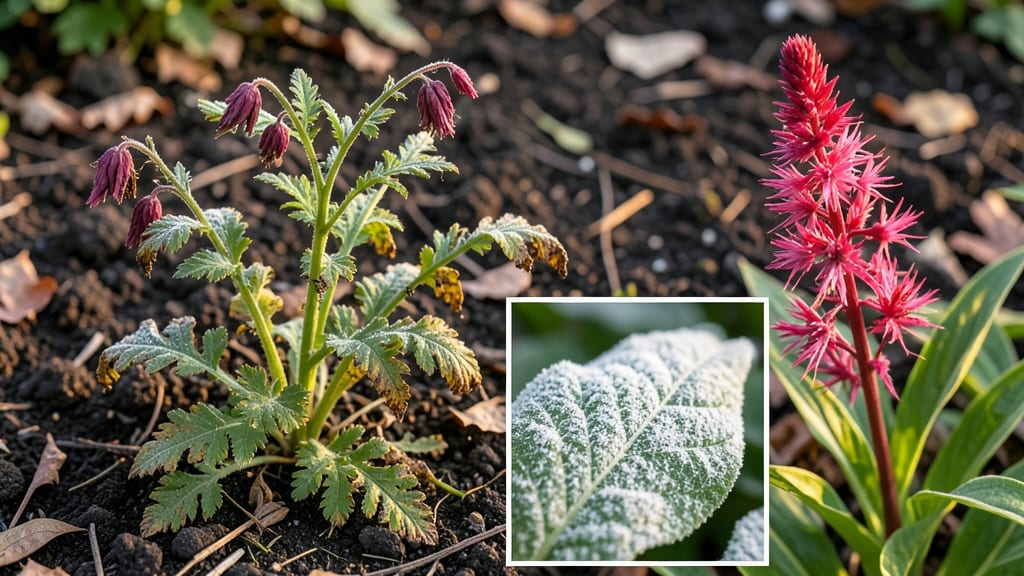
When an astilbe plant droops like a sad umbrella, it’s usually one of three culprits: too much sun, powdery mildew, or thirsty roots. 🌿 I’ve nursed back more astilbes than I’d like to admit—here’s how to diagnose the problem and turn those limp fronds into lush, feathery clouds again within days.
The first step is checking the soil moisture—astilbes hate soggy roots but also can’t handle drought. Yellowing leaves usually mean overwatering, while crispy edges signal thirst. Powdery mildew (that white dust on leaves) thrives in humid, shaded spots, while slugs leave behind shiny trails and chewed edges at night.
You’ll have vibrant, bushy astilbes again in just a few weeks with the right fix: adjust watering, trim infected leaves, or set out beer traps for slugs. The key is acting fast—once mildew spreads or pests move in, recovery takes longer.
Works for container astilbes, garden beds, or even those in partial shade. Here’s how to spot the issue and stop it before it ruins your blooms.
Root Causes Behind Astilbe Struggles
Astilbes are stunning, feathery plants that bring delicate beauty to gardens—but when they act up, it’s usually a sign their basic needs aren’t being met. Understanding why your astilbe is wilting, browning, or refusing to thrive starts with digging into the science behind its care.
Let’s break down the real culprits behind common astilbe issues, so you can address them like a pro.
Astilbes love moisture but hate soggy roots. Their fibrous root systems thrive in consistently damp soil, but excess water—especially in containers or heavy clay—triggers root rot caused by Phytophthora or Pythium fungi. These pathogens thrive in waterlogged conditions, suffocating roots and blocking nutrient uptake.
Why it happens:
- Compacted or clay soil slows drainage, leaving roots sitting in water.
- Overzealous watering (e.g., daily top-ups) keeps soil perpetually saturated.
- Lack of organic matter reduces soil porosity, trapping excess moisture.
- Container-bound plants dry out quickly but also drain poorly if pots lack drainage holes.
🔍 Watch for: Yellowing leaves, mushy stems at the base, or a foul odor from the soil.
Astilbes are part-shade lovers, and too much direct sun—especially in hot climates—can scorch their delicate foliage. When exposed to intense UV rays, their leaves develop brown, crispy edges (a condition called sunburn) or wilt from dehydration. Heat stress also disrupts photosynthesis, leading to weak, leggy growth.
Why it happens:
- Full-sun locations (6+ hours of direct sun) exceed their tolerance, especially in summer.
- Reflective surfaces (like pavement or white walls) amplify heat, increasing stress.
- Drought conditions force plants to transpire rapidly, drying out faster than roots can replace moisture.
- Thin or dry mulch fails to insulate roots, accelerating heat absorption.
🔍 Watch for: Bleached or brown patches on leaves, curled edges, or sudden wilting in afternoon heat.
Astilbes are heavy feeders, especially during their active growing season (spring to early summer). Without the right nutrients, they show distress through yellowing leaves, stunted growth, or weak stems. The most common deficiencies involve nitrogen, phosphorus, or micronutrients like iron or magnesium.
Why it happens:
| Symptom | Likely Cause | Scientific Explanation |
|---|---|---|
| Yellowing older leaves | Nitrogen deficiency | Nitrogen is crucial for chlorophyll production. Older leaves break it down first when supplies run low. |
| Purple-tinged leaves | Phosphorus deficiency | Phosphorus aids energy transfer in cells. Without it, plants produce anthocyanins (purple pigments) as a stress signal. |
| Yellow between veins (chlorosis) | Iron or magnesium deficiency | These minerals are essential for chlorophyll. Poor soil pH (too alkaline) locks them out of root uptake. |
| Weak, spindly stems | Potassium deficiency | Potassium strengthens cell walls. A lack of it leads to poor structural integrity and disease susceptibility. |
🔍 Watch for: Slow growth, small leaves, or leaves that fail to unfurl properly.
Astilbes are relatively pest-resistant, but they’re not invincible. Slugs, snails, Japanese beetles, and spider mites all target astilbe foliage, while powdery mildew and leaf spot diseases thrive in humid, crowded conditions. These issues weaken plants, making them more susceptible to other stresses.
Why it happens:
- High humidity (70%+) creates ideal conditions for fungal diseases like powdery mildew (Erysiphe spp.).
- Poor airflow (e.g., planting too closely together) traps moisture on leaves, inviting pathogens.
- Damaged foliage (from hail, wind, or pests) provides entry points for bacteria and fungi.
- Overhead watering keeps leaves wet, promoting Alternaria or Septoria leaf spots.
🔍 Watch for: Holes in leaves (pests), white powdery residue (mildew), or dark spots with yellow halos (leaf spot).
While astilbes are hardy to USDA Zones 3–8, sudden freezes or late-spring frosts can blacken foliage or kill back growth. Cold stress disrupts cell membranes, causing oxidative damage and halting nutrient transport. Evergreen varieties (like Astilbe japonica) are especially vulnerable.
Why it happens:
- Late frosts (below 28°F) after new growth emerges can scorch tender leaves.
- Wind chill accelerates heat loss, increasing damage in exposed locations.
- Poor mulching fails to insulate roots, making plants more susceptible to temperature swings.
- Container plants cool down faster than in-ground plants, risking root freeze.
🔍 Watch for: Dark, mushy spots on leaves, sudden wilting, or blackened stems after a cold snap.
Quick Fixes for Astilbe Struggles
Reviving your astilbe doesn’t have to be a mystery—just a few targeted tweaks can turn floppy, yellowing, or struggling foliage back into lush, vibrant plumes. Below, we’ll map the most common issues to simple, actionable solutions, plus pro tips to keep your plants thriving long-term.
Think of this as your astilbe first-aid kit! 🩺🌿
Signs: Yellowing leaves, mushy stems, wilting despite wet soil.
How to Fix It: 🔥 Step 1: Check the Roots – Gently dig around the base to assess drainage. If the soil feels soggy or roots are black/mushy, overwatering is the culprit. 🍳 Step 2: Improve Drainage – Amend the soil with perlite, sand, or compost (20-30%) to loosen it up. For container astilbes, ensure pots have drainage holes. 👨🍳 Step 3: Adjust Watering – Water only when the top 1-2 inches of soil are dry. Astilbes hate "wet feet"—think of them like a sponge that needs to wring out between drinks. ⏰ Step 4: Relocate if Needed – If your garden spot is perpetually soggy, move your astilbe to a slightly elevated area or a raised bed.
Prevention Tips: ✨ Mulch wisely – Use 2-3 inches of organic mulch (like shredded bark) to retain moisture without suffocating roots. 🌡️ Group with thirsty pals – Plant astilbes near other moisture-loving plants (like hostas or ferns) to create a microclimate with consistent humidity.
Signs: Crispy, brown leaf edges, drooping in hot afternoons, or bleached plumes.
How to Fix It: 🔥 Step 1: Provide Shade – If your astilbe is in full sun, gradually acclimate it to partial shade (4-6 hours of morning sun + afternoon shade). Use a light shade cloth (30-50%) if needed. 🍳 Step 2: Hydrate Deeply – Water early in the morning (before 10 AM) to reduce evaporation. Aim for 1 inch of water per week during heatwaves. 👨🍳 Step 3: Trim Damaged Foliage – Snip off brown, crispy leaves with clean pruners to redirect energy to healthy growth. ⏰ Step 4: Boost Humidity – Mist leaves daily in extreme heat or place a tray of water nearby to increase ambient moisture.
Prevention Tips: 💡 Choose the right spot – Astilbes thrive in partial shade (dappled sun to light shade). Avoid harsh afternoon sun in hot climates. 🎯 Mulch like a pro – A 3-inch layer of mulch keeps roots cool and retains moisture longer.
Signs: White powdery coating, yellow/brown spots with black centers, or stunted growth.
How to Fix It: 🔥 Step 1: Prune Infected Parts – Remove all affected leaves (including fallen debris) and dispose of them in the trash (not compost). 🍳 Step 2: Apply Fungicide – Spray with a copper-based fungicide or neem oil solution (1 tbsp neem oil + 1 tsp mild soap per quart of water). Reapply every 7-10 days until the issue clears. 👨🍳 Step 3: Improve Airflow – Thin out overcrowded plants and space astilbes 12-18 inches apart to reduce humidity buildup. ⏰ Step 4: Water at the Base – Avoid overhead watering; use a soaker hose or drip irrigation to keep foliage dry.
Prevention Tips: ✨ Preventive spray – Apply neem oil or baking soda spray (1 tsp baking soda + 1 quart water + drop of soap) every 2 weeks during humid seasons. 🌡️ Avoid late-season watering – Fungal spores thrive in evening moisture, so water early in the day.
Signs: Sticky residue (aphids), tiny webs (mites), or ragged holes in leaves (slugs).
How to Fix It: 🔥 Step 1: Identify the Pest –
- Aphids: Tiny green/black bugs clustered on new growth.
- Spider mites: Tiny yellow dots + fine webbing on undersides of leaves.
- Slugs: Chewed leaves with slime trails at night.
🍳 Step 2: Treat Accordingly
- Aphids/Mites: Spray with soapy water (1 tsp mild soap per quart of water) or insecticidal soap.
- Slugs: Set out beer traps (bury a shallow dish filled with beer) or use iron phosphate bait (pet-safe).
👨🍳 Step 3: Introduce Beneficial Insects – Ladybugs and lacewings love aphids; buy them online or attract them with dill or fennel plants. ⏰ Step 4: Remove Debris – Clear away leaf litter and weeds where pests hide.
Prevention Tips: 💡 Encourage predators – Plant marigolds, lavender, or basil nearby to deter pests naturally. 🎯 Handpick slugs – Check under leaves at dusk and relocate slugs to a far corner of your garden.
Signs: Pale green/yellow leaves (nitrogen deficiency), weak stems, or slow growth.
How to Fix It: 🔥 Step 1: Test Your Soil – Grab a DIY soil test kit (or send a sample to your local extension office) to check pH and nutrient levels. 🍳 Step 2: Fertilize Smartly –
- For nitrogen (green leaves): Apply a balanced fertilizer (10-10-10) or compost in early spring.
- For iron (yellowing between veins): Use an iron chelate or spray Epsom salt solution (1 tbsp per gallon of water).
👨🍳 Step 3: Feed Regularly – Fertilize every 4-6 weeks during growing season (spring to early summer). ⏰ Step 4: Adjust pH if Needed – Astilbes prefer slightly acidic to neutral soil (6.0-7.0). Add sulfur to lower pH or lime to raise it.
Prevention Tips: 🌡️ Mulch with compost – Top-dress with aged compost annually to slowly release nutrients. 💪 Avoid over-fertilizing – Too much fertilizer can burn roots; always follow package instructions.
Final Pro Tip: 🌟 Deadhead spent blooms regularly to encourage more flowers and prevent seed production, which drains energy from the plant. Happy gardening—your astilbe’s comeback is just around the corner!
Frequently asked questions about astilbe plant problems
Why do my astilbe leaves turn yellow?
Yellowing leaves usually mean overwatering or root rot, but they can also signal nitrogen deficiency. Check the soil moisture first—if it's soggy, reduce watering and improve drainage. For yellowing between veins, it may be iron deficiency (common in alkaline soil). Try a chelated iron supplement or Epsom salt spray (1 tbsp per gallon).
How do I get rid of powdery mildew on my astilbe?
Start by pruning all infected leaves and disposing of them in the trash. Apply a fungicide like neem oil (1 tbsp per quart of water) or a baking soda spray (1 tsp baking soda + drop of soap per quart). Improve airflow by spacing plants 12-18 inches apart and avoid overhead watering. Reapply treatments every 7-10 days until the mildew clears.
Can astilbes survive in full sun?
Astilbes prefer partial shade (4-6 hours of morning sun) and can struggle in full sun, especially in hot climates. If your plant is in full sun, provide afternoon shade with a light shade cloth (30-50%) or gradually move it to a shadier spot. Crispy brown edges are a sure sign of sunburn—trim damaged leaves and keep soil consistently moist during summer.
What should I do if my astilbe's stems are mushy at the base?
Mushy stems indicate root rot from overwatering or poor drainage. Dig up the plant and check the roots—if they're black and smelly, trim away the rotten parts and repot in fresh soil with perlite or sand added for better drainage. For in-ground plants, move to a raised bed or amend the soil with compost to improve structure. Water only when the top 1-2 inches of soil are dry.
How can I prevent slugs from eating my astilbe?
Slugs love astilbe foliage! Set up beer traps (bury shallow dishes filled with beer) near your plants, or use iron phosphate bait (pet-safe). Handpick slugs at dusk and relocate them. For prevention, plant marigolds or lavender nearby to deter pests naturally. Mulch with coarse materials like pine straw instead of fine mulch, which slugs hide under. Check under leaves daily during humid weather.