
Planting
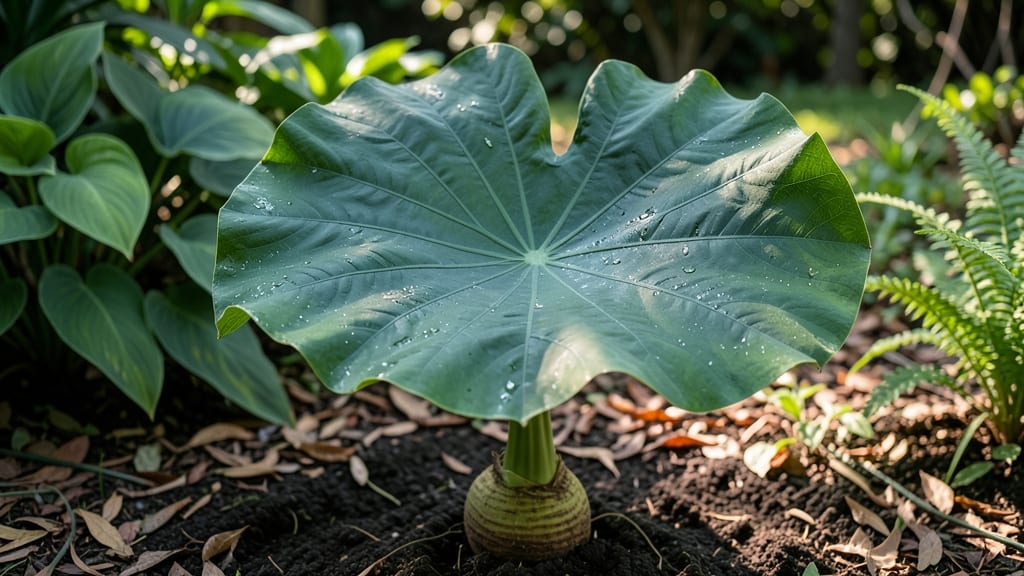
A five-leaf plant that looks like pot isn't just a quirky conversation starter—it's a legal, low-maintenance way to add cannabis-like foliage to your decor. 🌿 I grew mine from a cutting last spring, and now it's the star of my sunroom, with its bright green, palmate leaves that mimic the iconic shape without the legal gray areas.
This plant thrives in bright, indirect light but can handle some direct sun—just watch for leaf scorch if you're in a hot climate. Use well-draining potting mix and water when the top inch of soil feels dry.
Overwatering is the #1 killer, so let it dry out between drinks. The leaves stay vibrant if you fertilize lightly in spring and summer.
You'll love how it fills small pots or trailing baskets, with leaves that grow 3-6 inches wide and stay compact. Propagation is easy—snip a stem, dip it in rooting hormone, and place it in water or moist soil.
Within a few weeks, you'll have a new plant ready to decorate another shelf.
Perfect for beginners, this plant needs minimal fuss but delivers maximum visual impact. Whether you're filling a windowsill or adding a pop of color to your desk, it's a foolproof way to grow something that looks striking without the hassle.
Root Causes Of Leaf Distortion
Understanding why your five-leaf plant (often mistaken for cannabis) develops a "pot-like" appearance—whether it’s stunted growth, curled edges, or misshapen leaves—starts with identifying the underlying triggers. These plants (like Cannabis ruderalis lookalikes or Sedum morganianum, aka "burro’s tail") are sensitive to environmental and care-related stressors.
Below, we break down the most common culprits and their scientific roots.
Why it happens: Five-leaf plants, especially succulents or drought-tolerant varieties, thrive in well-draining soil with minimal moisture. When overwatered, their roots suffocate from anaerobic conditions (lack of oxygen), leading to:
- Root rot (Phytophthora or Pythium fungal infections), which disrupts nutrient uptake.
- Leaf curling or yellowing as the plant tries to conserve water.
- Stunted growth due to oxygen deprivation in the roots.
Actionable science:
- Test soil moisture with your finger—water only when the top 1-2 inches are dry.
- Use cactus/succulent mix (60% mineral grit, 30% peat, 10% perlite) to prevent compaction.
- Pot with drainage holes is non-negotiable—stagnant water = root death.
Why it happens: These plants mimic cannabis in their light-loving nature, but too little or erratic light triggers survival responses:
- Leggy, stretched growth (etiolation) from low light, weakening cell walls and causing leaves to droop.
- Sunburn (bleached patches) from direct, intense midday sun without acclimation, damaging chloroplasts.
- Purple tinges (anthocyanin buildup) when light is insufficient for photosynthesis.
Actionable science:
- Ideal light: 6-8 hours of bright, indirect light (east or west-facing windows; avoid harsh southern sun).
- Grow lights? Use full-spectrum LEDs (5000K-6500K) 12-14 hours/day, 6 inches above the plant.
- Rotate the pot weekly to ensure even growth.
Why it happens: Five-leaf plants (especially succulents) are tropical but drought-adapted, meaning they hate humidity extremes and cold drafts:
- Cold stress (<50°F/10°C): Causes leaf puckering or blackened tips due to cell membrane damage.
- High humidity (>60% without airflow): Promotes powdery mildew (Erysiphe fungi), coating leaves and blocking sunlight.
- Heat shock (>90°F/32°C): Leads to wilting as stomata close to prevent water loss, but cells dehydrate.
Actionable science:
- Ideal range: 65-75°F (18-24°C) during the day, 55-60°F (13-15°C) at night.
- Humidity control: Keep 40-50% with a hygrothermometer and pebble trays (not direct misting).
- Avoid drafts—keep away from AC vents, heaters, or open windows in winter.
Why it happens: Cannabis lookalikes (like Alternanthera or Sedum) need balanced nutrients, but imbalances cause visual red flags:
- Nitrogen deficiency (yellow lower leaves): Stunted growth as chlorophyll production halts.
- Magnesium deficiency (interveinal yellowing): Chlorophyll breakdown due to poor enzyme activity.
- Over-fertilization (brown leaf tips): Salt buildup in soil disrupts osmosis, burning root tips.
Actionable science:
- Use a balanced fertilizer (e.g., 5-5-5 or 10-10-10) diluted to half-strength every 4-6 weeks.
- Flush soil every 3 months with reverse osmosis (RO) water to prevent salt accumulation.
- pH check: Keep soil 6.0-7.0 (use a digital pH meter for accuracy).
Why it happens: Insects and diseases sap nutrients or physically damage leaves, mimicking nutrient deficiencies:
- Spider mites (*Tetranychus urticae): Pierce cells, causing silver stippling and curled leaves (they thrive in dry air).
- Aphids** (Aphis spp.): Excrete honeydew, leading to sooty mold (black fungus) that blocks light.
- Fungal infections (e.g., Botrytis cinerea*): Cause gray mold on damp leaves, rotting tissue.
Actionable science:
- Inspect leaves weekly under a magnifying glass for webbing, sticky residue, or spots.
- Neem oil spray (1 tsp/quart water) every 7 days for prevention.
- Isolate infected plants and prune damaged foliage with sterilized scissors.
Why it happens: If roots circle the pot or are cramped, they compete for resources, leading to:
- Stunted, compact growth (the plant’s way of conserving energy).
- Leaves growing smaller as the plant prioritizes root expansion over foliage.
- Wilting despite watering because roots can’t absorb moisture efficiently.
Actionable science:
- Repot every 12-18 months into a container 1-2 inches larger in diameter.
- Loosen roots before repotting to prevent girdling (roots growing in circles).
- Use air-pruning pots (with holes on the sides) to encourage bushier growth**.
Fixing Your Plant’s Pot-Like Appearance
Now that you understand why your five-leaf plant might resemble cannabis, let’s tackle the solutions—whether you want to correct the issue or prevent it from happening again.
Below, we’ve mapped common causes to practical fixes, along with easy prevention tips to keep your plant thriving and looking intentional (or not, if that’s your goal!).
Problem: Soggy soil or root rot can stress the plant, causing leaves to grow wide and flat—mimicking cannabis.
How to Fix It: 🔥 Step 1: Check the Soil
- Stick your finger 1-2 inches deep into the soil. If it’s damp, hold off on watering. If it’s bone-dry, water deeply but only until water drains from the bottom.
🍳 Step 2: Improve Drainage
- Repot your plant in a well-draining mix (add perlite, sand, or orchid bark to regular potting soil). Ensure the pot has drainage holes—no exceptions!
👨🍳 Step 3: Adjust Watering Habits
- Water only when the top inch of soil is dry. For most five-leaf plants (like Pothos or Peperomia), this means every 1-2 weeks, depending on humidity and light.
🥘 Step 4: Trim Damaged Roots (If Needed)
- If roots smell rotten or look mushy, snip them off with sterilized scissors and repot in fresh, dry soil.
Prevention Tips: ✨ Use a moisture meter to avoid guesswork. 🌡️ Group plants together to increase humidity naturally (but avoid waterlogging). 🎯 Choose the right pot—terracotta dries faster than plastic.
Problem: Inconsistent light causes leaves to stretch (etiolation) or grow wide and pale, resembling cannabis buds.
How to Fix It: 🔥 Step 1: Identify Light Issues
- Leggy, pale leaves? → Not enough light.
- Burnt tips or crispy edges? → Too much direct sun.
🍳 Step 2: Find the Goldilocks Spot
- Place your plant 3-6 feet from a bright window (east or north-facing is ideal). If indoors, supplement with a grow light (LED or fluorescent) for 12-14 hours/day.
👨🍳 Step 3: Rotate the Plant Weekly
- Turn the pot a quarter-turn to ensure even growth and prevent leaning.
🥘 Step 4: Prune Overgrown Leaves
- Trim yellow or stretched leaves at the base to encourage bushier, healthier growth.
Prevention Tips: 💡 Use sheer curtains to diffuse harsh midday sun. 🔥 Avoid drafts (AC vents, heaters) that stress the plant. 🌱 Fertilize lightly (once a month) to support leaf strength.
Problem: Too much nitrogen or lack of key nutrients can make leaves look thick and glossy—almost like cannabis.
How to Fix It: 🔥 Step 1: Flush the Soil
- Water the plant thoroughly with room-temperature water for 10-15 minutes to leach out excess salts or fertilizer.
🍳 Step 2: Test Your Soil
- Use a simple soil pH test kit (aim for 6.0-7.0). Adjust with lime (to raise pH) or vinegar (to lower pH) if needed.
👨🍳 Step 3: Fertilize Smartly
- Switch to a balanced liquid fertilizer (e.g., 10-10-10) and dilute to half-strength. Feed every 4-6 weeks in growing season (spring/summer).
- Avoid high-nitrogen fertilizers (like lawn food)—they promote leafy (not cannabis-like) growth.
🥘 Step 4: Boost Micronutrients
- Add a seaweed extract or fish emulsion for trace minerals that support leaf structure.
Prevention Tips: 📊 Follow fertilizer labels—more isn’t better! 💪 Use organic options (compost, worm castings) for steady nutrient release. ✨ Repot every 1-2 years to refresh the soil.
Problem: A pot that’s too small or too large can stunt growth, making leaves grow in odd patterns.
How to Fix It: 🔥 Step 1: Check Root Health
- Gently remove the plant from its pot. If roots are circling tightly or poking out the bottom, it’s time to repot.
🍳 Step 2: Choose the Right Pot Size
- Current pot too small? → Go 1-2 inches larger in diameter.
- Current pot too big? → Repot in a slightly smaller container to encourage root growth.
👨🍳 Step 3: Repot with Care
- Use fresh, well-draining soil and trim any mushy roots before placing the plant in its new home.
- Water lightly after repotting to settle the soil.
🥘 Step 4: Pick the Right Material
- Terracotta: Best for drying out quickly (good for forgetful waterers).
- Plastic: Retains moisture longer (ideal for humid climates).
- Fabric pots: Great for aeration (prevents root rot).
Prevention Tips: 🌱 Repot in spring when the plant is actively growing. 🔪 Avoid plastic bags over pots—they trap humidity and encourage rot. 🎯 Use self-watering pots if you travel often (but monitor moisture levels).
Final Pro Tip: 💡 If your plant’s leaves still look suspiciously cannabis-like after these fixes, prune aggressively and redirect growth with pinching (snip the tips of stems to encourage bushiness). Over time, it’ll grow back in a more natural shape!
Need more help? Drop a comment below—we’re happy to diagnose your plant’s “pot problem”!
Frequently asked questions
What are the most common five-leaf plants that look like cannabis?
The most popular options include Coleus scutellarioides (with its colorful, palmate leaves), Heuchera varieties (like 'Palace Purple'), and Alternanthera (like 'Purple Knight'). These plants all have that iconic five-lobed leaf shape without any legal concerns!
Can I grow a five-leaf plant indoors without direct sunlight?
Yes! Most varieties thrive in bright, indirect light from east or west-facing windows. For darker spaces, use a grow light (12-14 hours/day) about 6 inches above the plant. Just avoid drafts—consistent conditions are key to maintaining that cannabis-like shape.
How do I prevent my five-leaf plant from growing too tall and leggy?
Leggy growth happens when plants stretch toward light. To fix it, rotate the pot weekly for even exposure and prune the top leaves to encourage bushier growth. For extra help, use a balanced fertilizer (5-5-5) every 4-6 weeks during growing season.
Is it legal to grow these plants in all states?
These are all non-cannabis plants and legal everywhere. Just avoid any plants labeled as "hemp" or "cannabis" if you're in a state with strict regulations. Always check local laws before purchasing any new plants.
How often should I water my five-leaf plant?
Water when the top 1-2 inches of soil feel dry—usually every 1-2 weeks depending on your environment. Overwatering is the #1 killer, so always use pots with drainage holes and let excess water drain completely.