
Planting
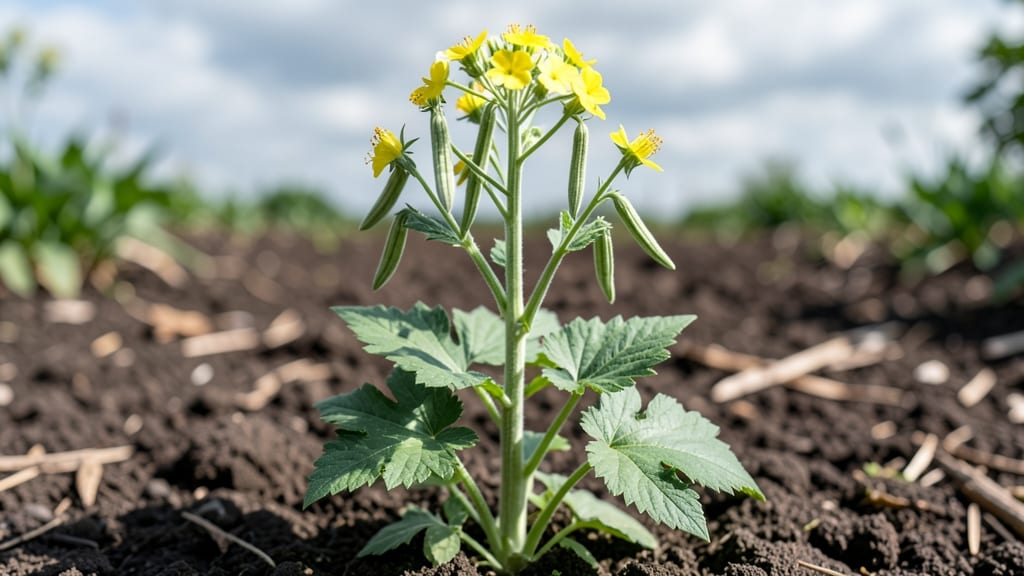
The Sinapis alba plant is a powerhouse of flavor and speed, delivering peppery greens in just 30 days—perfect for gardeners who want bold harvests without the wait.
If you're looking for a fast-growing, nutrient-packed green that thrives in cool weather and adds a peppery kick to salads, Sinapis alba (white mustard) is your secret weapon—just don’t let its aggressive growth fool you into thinking it’s low-maintenance.
This hardy annual loves full sun and well-drained soil, making it ideal for spring or fall planting in zones like 6a. Whether you're growing it for salads, cover crops, or ornamental value, its quick germination and versatile uses make it a must-have for any garden.
Below, I’ll walk you through everything you need to know—from planting tips to harvesting tricks—to turn your soil into a thriving patch of fast, flavorful greens in no time.

Sinapis alba plant care: growing tips for fast germination and bold harvests
Sinapis alba (white mustard) is one of the fastest-growing edible greens you can cultivate, with germination in as little as 3-5 days—perfect for cool-season gardens. Its bold, peppery flavor and rapid growth make it ideal for salads, microgreens, or cover crops, but achieving that speed requires precise care. Let’s break down the essentials to maximize your harvest.
This hardy annual thrives in USDA zones 6a and warmer, making it adaptable for most home gardeners. Whether you're growing it in containers, raised beds, or in-ground plots, understanding its needs for soil, sunlight, and water will determine how quickly and vigorously it grows.
With the right conditions, you can enjoy fresh greens in under 6 weeks!
⚠️ Key Challenge: While Sinapis alba is fast-growing, it can bolt (flower) quickly if stressed. Avoid overcrowding and maintain consistent moisture to keep it producing tender leaves. Let’s dive into the specifics so you can cultivate a thriving patch.
Start by preparing your soil mix with compost or aged manure to ensure it’s rich in nutrients. Sinapis alba prefers loamy soil that drains well but retains moisture—avoid heavy clay or sandy soils that dry out too quickly.
If your garden soil is poor, amend it with peat moss or coconut coir to improve structure and water retention.
For container growing, use a well-draining potting mix with perlite or vermiculite. Ensure your pots have drainage holes to prevent root rot, which can stunt growth.
Place containers in a sunny spot and water consistently to keep the soil evenly moist but not soggy—this is critical for fast germination and leaf production.
When it comes to sunlight requirements, Sinapis alba thrives in full sun (6+ hours daily), but it can tolerate partial shade if temperatures exceed 85°F (29°C). In hot climates, provide afternoon shade to prevent bolting.
If growing indoors near a south-facing window, supplement with a grow light for 12-14 hours daily to mimic outdoor conditions.
Watering is where many gardeners go wrong—overwatering can lead to fungal issues, while underwatering causes bitter leaves and slow growth. Aim for 1/2 inch of water per week, delivered in the morning to reduce evaporation and disease risk.
Use a soaker hose or drip irrigation to keep the soil consistently moist without wetting the foliage.
Spacing your Sinapis alba plants correctly is key to preventing competition. In in-ground gardens, space seedlings 6-12 inches apart to allow airflow and reduce disease. For containers, plant 3-4 seedlings per 5-gallon pot to maximize yield.
Thin seedlings to the strongest 2-3 plants per foot once they reach 2 inches tall—this encourages faster growth and larger leaves.
To accelerate germination, so
How to use Sinapis alba greens: culinary and medicinal benefits
Once your Sinapis alba greens reach harvest size, you’ll want to use them quickly—they pack a peppery punch that mellows slightly when cooked. These nutrient-dense greens are incredibly versatile, offering benefits beyond just flavor.
Whether you're a gardener looking to maximize your harvest or a home cook eager to explore new ingredients, mustard greens deserve a spot in your kitchen and medicine cabinet.
The young leaves are best for raw applications, while slightly older leaves work well when sautéed or fermented. Their high vitamin C and antioxidant content make them excellent for immune support and detoxification.
Plus, they contain glucosinolates, compounds linked to reduced inflammation and cancer risk prevention. Don’t let their bold flavor intimidate you—balance is key!
🌱 Top Ways to Use Sinapis Alba Greens
- 🥗 Raw Salads: Tear leaves and mix with milder greens (spinach, arugula) and citrus dressing to balance heat.
- 🍲 Sautéed Side: Cook with garlic, olive oil, and red pepper flakes for 3-4 minutes until wilted.
- 🥬 Fermented: Combine with sea salt, water, and carrots for a tangy, probiotic-rich condiment.
- 🧂 Herb Blends: Dry leaves and crush into homemade seasoning mixes for soups or marinades.
- 💊 Tea Infusion: Steep chopped greens in hot water for 5 minutes to create an anti-inflammatory tea.
For raw applications, harvest leaves when they’re 4-6 inches tall—this ensures tender texture and maximum flavor. Pair them with sweet fruits (like apples or pears) or creamy dressings (avocado or tahini) to tame their spiciness.
If you’re growing Sinapis alba as a cover crop, you can still harvest the greens before the plant bolts, extending their usefulness.
The medicinal benefits of mustard greens are often overlooked but powerful. Studies show they can help lower blood sugar levels and support liver detoxification thanks to their glucotropaeolin content. To maximize these benefits, lightly steam or sauté the greens—this preserves more nutrients than boiling.
Add them to smoothies (blended with banana or mango) or soups for a nutrient boost without overpowering flavors.
Don’t waste a single leaf! Even the older, tougher leaves can be used for stocks or broths. Simmer them with onions, carrots, and celery for a peppery twist on classic vegetable stock.
Freeze any unused greens in ice cube trays with water or olive oil for later use. This method preserves their nutritional integrity and makes them easy to grab for quick meals.
If you’re growing Sinapis alba specifically for its greens, succession planting every 2-3 weeks ensures a continuous harvest. The more you use these greens, the more you’ll grow—and the more you’ll discover their culinary and health benefits.
Start with small batches to experiment with different preparations, and soon you’ll be a mustard green enthusiast! 🌿