
Planting
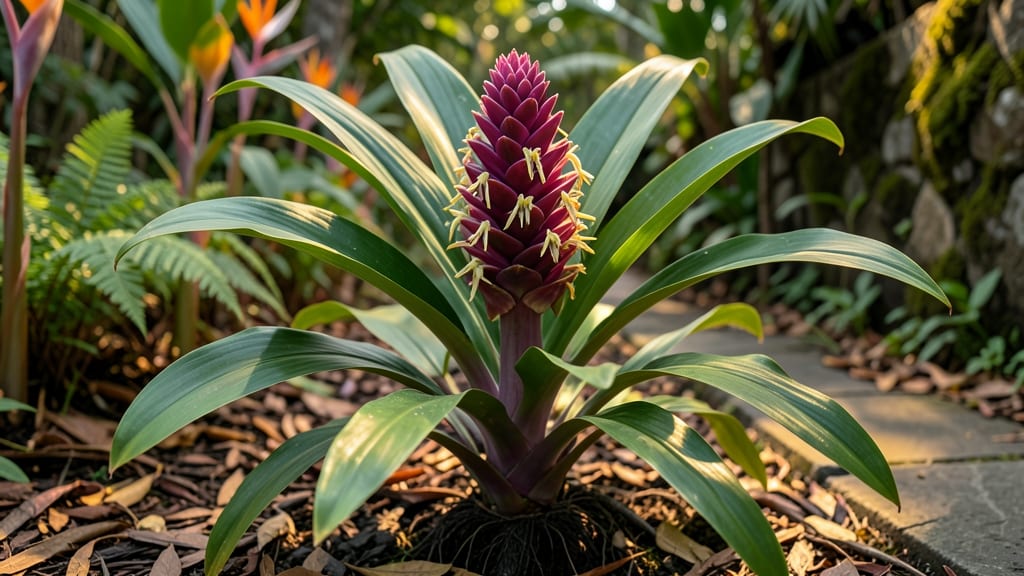
This pine cone ginger plant thrives in USDA hardiness zones 9-11, where warm temperatures and high humidity create ideal growing conditions. Its tropical origins make it highly sensitive to frost, requiring winter protection or container cultivation in cooler climates.
The tropical nature of the pine cone ginger plant means it can't tolerate temperatures below 30°F, which is why zones 9-11 offer the perfect balance of warmth and moisture. 🌿 Without proper protection, even a brief cold snap can damage leaves or kill the plant entirely.
I've seen gardeners in zone 8 successfully grow it by bringing pots indoors during winter months, while those in zone 7 often need to overwinter the entire plant in a garage or heated space. The key is mimicking its natural environment—think lush, shaded rainforest conditions rather than dry, exposed areas.
For container growing, choose pots with drainage holes and use a well-draining potting mix that retains some moisture. Adding perlite or orchid bark helps prevent root rot while maintaining the humidity levels this plant craves.
If you're in a cooler zone, consider placing your container near a south-facing wall during summer to maximize warmth, then move it to a sheltered spot for winter. The plant's dramatic foliage makes it worth the extra care—just remember that patience and protection are your best tools for success.
💡 In This Article
- Understanding Pine Cone Ginger’s Cold Sensitivity and Zone Adaptations
- Growing Pine Cone Ginger Outside Its Native Zone: Container Solutions and Microclimates
Understanding pine cone ginger’s cold sensitivity and zone adaptations
Pine cone ginger's tropical heritage explains its strict 30°F minimum temperature threshold. The plant's native Southeast Asian rainforests maintain 75-85°F year-round, and its physiology lacks cold-hardening mechanisms found in temperate plants.
When exposed to below 40°F, its large, waxy leaves develop brown margins as cells rupture from ice crystal formation—a process called "cold acclimation failure." This sensitivity stems from its C3 photosynthetic pathway, which prioritizes growth over frost resistance, unlike C4 plants that can survive cooler nights.
The plant's root system, adapted to warm, humid soils, also struggles in cold conditions. When soil temperatures drop below 55°F, root respiration slows dramatically, starving the plant of energy. In zones 9-11, the consistent 60-80°F soil temperatures maintain optimal microbial activity, creating the nutrient-rich environment pine cone ginger craves.
The plant's dramatic 3-4 foot height and 2-foot-wide foliage also make it vulnerable to wind chill—its broad leaves lose moisture quickly in dry, cold air.
What most gardeners miss is how humidity interacts with temperature. Pine cone ginger requires 60-80% relative humidity, and cold air holds less moisture. When humidity drops below 50% during winter, the plant's leaves curl and crisp at the edges—a classic sign of desiccation stress.
This explains why coastal zone 10 gardens often succeed where inland zone 10 gardens fail: ocean breezes maintain higher humidity levels. The plant's natural dormancy period in its native habitat occurs during monsoon season, not winter, which is why artificial dormancy strategies (like reduced watering) often backfire in cooler climates.
For zone 8 gardeners, the key adaptation is understanding the 10°F temperature differential that triggers dormancy. While native plants experience gradual cooling, sudden drops below 50°F at night shock pine cone ginger. This explains why container-grown specimens often survive better—their roots warm more quickly in the morning.
The plant's rhizomatous growth habit also means established clumps have more resilience, as the central crown remains protected by surrounding foliage during cold snaps.
Consider these critical temperature thresholds for pine cone ginger:
- Optimal growth: 75-85°F day/night range with 60-80% humidity
- First stress point: below 50°F at night (leaf curling begins)
- Damage threshold: 30°F (cell rupture and death occurs)
- Recovery zone: 55-65°F (roots can resume activity)
The plant's dramatic purple-black flower cones (which resemble pineapples) actually help it survive mild cold snaps—the dense bracts provide some insulation for the developing buds. This natural adaptation explains why established plants in zone 9 sometimes produce flowers even after light frost exposure, while younger plants suffer complete dieback. 🌿