
Planting
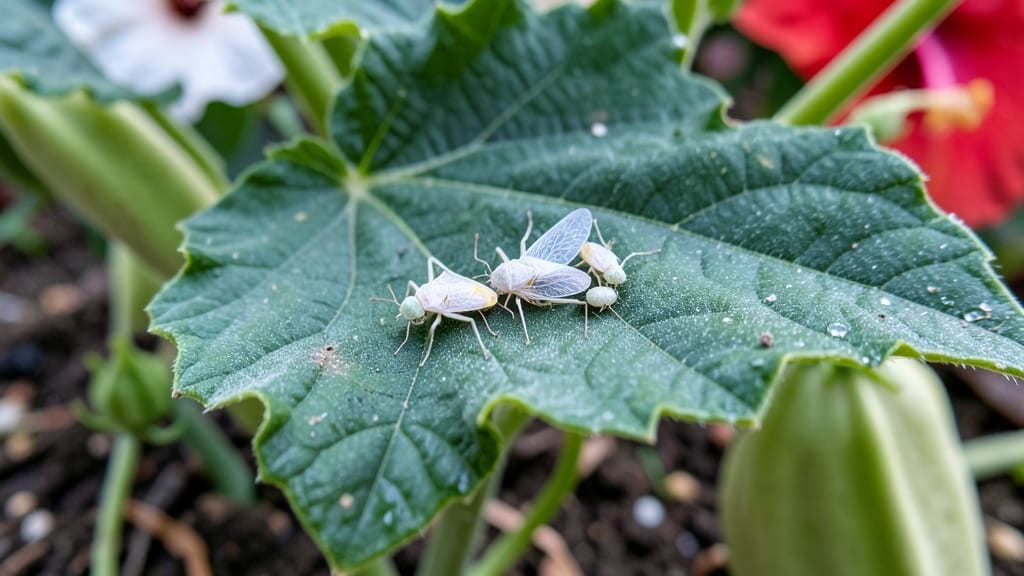
Okra bugs can turn your thriving plants into a skeleton show in weeks. 🌱 I’ve watched jassids and aphids drain my okra’s energy, leaving behind sticky residue and stunted pods—until I learned these natural fixes that actually work.
The real culprits are usually jassids (leafhoppers), aphids, or fruit flies, all drawn to okra’s sweet sap. They don’t just chew leaves—they spread diseases like bacterial leaf spot, which can kill plants faster than you can say "harvest."
The good news? You don’t need harsh chemicals to stop them. Start with neem oil sprays or soapy water for mild infestations—both smother bugs without harming beneficial insects. For stubborn pests, row covers or interplanting with marigolds disrupts their life cycle.
My plants now produce pods twice as long and stay bug-free through summer. This works for backyard gardens, containers, or even urban plots. Let’s get those okra plants back to their best—without the chemical cleanup afterward.
Root Causes Of Garden Pests
Okra plants, with their lush foliage and delicate flowers, can become a buffet for tiny invaders like okra plant bugs—including aphids, spider mites, stink bugs, and flea beetles. Understanding why these pests target your okra is the first step to stopping them naturally.
Below, we break down the science-backed reasons these critters show up uninvited and how your garden might be sending out a "welcome mat."
Okra thrives in warm, well-spaced conditions, but when plants are too close together, they compete for sunlight, water, and nutrients. This stress weakens their natural defenses, making them more vulnerable to pests.
- Why it happens:
- Poor air circulation traps moisture, creating a humid microclimate that aphids and spider mites love.
- Stressed plants produce less sap and oils (like limonoids), which normally repel bugs.
- Overcrowding also hides pests, allowing them to multiply undetected.
- Actionable fix:
- Space okra plants 18–24 inches apart for airflow.
- Thin seedlings early to avoid competition.
- Prune lower leaves to improve sunlight penetration.
Okra plants deficient in nitrogen, potassium, or calcium grow slowly and develop weak cell walls—an open invitation for chewing and sucking insects.
- Why it happens:
- Nitrogen deficiency (yellowing leaves) reduces protein-rich sap, making plants less nutritious for pests—but also less resilient.
- Potassium deficiency (brown leaf edges) weakens cell structure, making plants easier to pierce (a favorite for stink bugs).
- Calcium deficiency (blossom-end rot in fruits) disrupts plant hormones, slowing recovery from pest damage.
- Actionable fix:
- Soil test first! Adjust pH (ideal: 6.0–6.8) and amend with compost or balanced fertilizer (e.g., 10-10-10).
- Use banana peel tea (rich in potassium) or egg shells (calcium) as natural supplements.
- Avoid over-fertilizing—too much nitrogen attracts aphids!
Some okra varieties or growing conditions actively attract bugs with chemical cues.
For example: - Young, tender leaves emit volatile organic compounds (VOCs) that signal "easy meal" to flea beetles. - Damaged or diseased plants release stress hormones (like jasmonic acid) that attract predatory bugs—but also their prey (e.g., aphids). - Nearby weedy hosts (like pigweed or morning glories) harbor pest populations that spill over to okra.
- Actionable fix:
- Rotate crops annually to disrupt pest life cycles.
- Remove volunteer okra plants and weeds within a 10-foot radius.
- Plant trap crops (e.g., nasturtiums) to lure pests away.
Pests like stink bugs and flea beetles time their attacks with okra’s growth stages and weather patterns:
- Hot, dry spells concentrate sugars in leaves, making them sweeter targets for aphids.
- Sudden rain after drought washes away natural predators (like ladybugs), leaving pests unchecked.
- Early planting in cool soil delays okra’s maturity, giving pests more time to feed before harvest.
- Actionable fix:
- Mulch with straw or grass clippings to retain moisture and deter beetles.
- Plant in late spring (after soil temps hit 70°F+) to align with okra’s rapid growth.
- Use row covers early in the season to block flying adults.
A healthy garden ecosystem keeps pests in balance. But if your soil lacks beneficial microbes, fungi, or insect allies, bugs like spider mites and whiteflies thrive unopposed.
- Why it happens:
- Chemical pesticides (even synthetic ones) kill predator insects (e.g., lacewings, parasitic wasps) faster than pests.
- Monoculture planting (only okra) starves generalist predators that need diverse food sources.
- Compacted or chemically treated soil reduces ground-dwelling predators like rove beetles and nematodes.
- Actionable fix:
- Invite predators with dill, fennel, or marigolds (attracts hoverflies and ladybugs).
- Avoid tilling to preserve soil-dwelling organisms.
- Release beneficial nematodes (e.g., Steinernema carpocapsae) for underground pest control.
Unpicked okra pods overripe and soften, becoming magnets for stink bugs and earwigs, which feed on seeds and developing fruit.
- Why it happens:
- Mature okra (3–4 inches long) has higher moisture content, making it easier for bugs to penetrate.
- Volunteer okra seeds in the soil hatch new generations of pests the following year.
- Actionable fix:
- Harvest every 2–3 days to prevent overripening.
- Pull and compost any dropped pods or volunteers.
- Freeze or dry okra promptly to avoid attracting pests during storage.
Okra plant bugs don’t attack randomly—they’re responding to weakness, opportunity, and chemical signals in your garden. By addressing plant stress, soil health, and ecosystem balance, you can make your okra less appealing (and more resilient) without reaching for harsh chemicals. 🌱✨
Quick Fixes for Garden Pests
When tiny invaders like okra plant bugs (such as aphids, spider mites, or stink bugs) start feasting on your okra, swift action is key. The good news?
You don’t need harsh chemicals to save your crop. Below are practical, natural solutions tailored to common causes—plus prevention tips to keep your okra thriving long-term.
If your okra leaves look skeletal or plants are growing slowly, sap-sucking pests (like aphids or whiteflies) are likely to blame. These bugs drain nutrients, leaving behind a sticky residue called honeydew—a magnet for sooty mold.
🔥 Step-by-Step Rescue Plan 1. Blast Them Off 💦 - Method: Spray plants with a strong stream of water (early morning or evening) to dislodge pests.
Use a hose nozzle or a gentle spray bottle for delicate leaves. - Why it works: Water pressure physically removes bugs without harming plants.
- Soap Up the Trouble 🧼 - Method: Mix 1 tbsp mild liquid soap (like Castile soap) + 1 quart water in a spray bottle. Lightly coat leaves (avoid flowers). - Why it works: Soap breaks down pests’ protective wax layers, suffocating them.
Test on a small leaf first to check for sensitivity.
- Neem Oil Spray 🌿 - Method: Combine 1 tbsp neem oil + 1 tsp dish soap + 1 quart water. Shake well and spray undersides of leaves (where bugs hide). - Why it works: Neem oil disrupts pests’ life cycles and repels future infestations.
Reapply every 5–7 days until bugs vanish.
See fine webs or yellowing leaves? Spider mites are likely spinning their way through your okra. These tiny arachnids thrive in dry, dusty conditions and multiply fast.
🍳 DIY Mite Mitigation
- Boost Humidity 🌧️
- Method: Water plants deeply at the base daily (early morning) to raise humidity. Use a fine mist on leaves if your climate is arid.
- Why it works: Spider mites hate moisture—they’ll flee or dry out.
- Predatory Allies 🐞
- Method: Introduce ladybugs, lacewings, or predatory mites (buy online or from garden centers). Release them at dusk when they’re most active.
- Why it works: These bugs eat spider mites like all-you-can-eat buffets. One release can control outbreaks for weeks.
- Horticultural Oil 🛡️
- Method: Apply horticultural oil (like JMS Stylet Oil) in the evening when temps are below 90°F (32°C). Reapply every 7–10 days.
- Why it works: Oil smothers eggs and adults without harming plants. Avoid if plants are stressed (oil can clog stomata).
If you spot shield-shaped bugs (stink bugs) or large beetles munching on pods, they’re chewing pests that cause direct damage.
👨🍳 Trap & Trap Again
- Yellow Sticky Traps 🎯
- Method: Place yellow cards or boards coated with petroleum jelly near plants. Stink bugs are attracted to yellow and get stuck.
- Why it works: Reduces adult populations quickly. Check traps daily and replace when full.
- Hand-Picking 🪰
- Method: Wear gloves and drop bugs into soapy water (they’ll drown instantly). Focus on undersides of leaves and okra pods.
- Why it works: Best for small gardens—removes pests before they lay eggs.
- Diatomaceous Earth (DE) ⏰
- Method: Lightly dust food-grade DE around plant bases and under leaves. Reapply after rain.
- Why it works: DE’s microscopic particles cut pests’ exoskeletons, causing dehydration. Safe for pets once settled (avoid direct contact).
Once your okra is pest-free, lock it in with these long-term strategies:
- 💡 Plant Companions: Interplant okra with marigolds, basil, or garlic—their strong scents repel bugs naturally.
- 🌡️ Mulch Matters: Use straw or grass clippings to retain moisture and deter crawling pests.
- ✨ Rotate Crops: Avoid planting okra in the same spot yearly—pests build up in soil.
- 🎯 Early Monitoring: Check plants weekly (especially undersides of leaves) for eggs or early signs of infestation.
Pro Tip: 🌿 Encourage birds and beneficial insects by adding a small water source (like a shallow dish with rocks) to your garden. They’ll hunt pests for you!
Frequently asked questions
What are the most common okra plant bugs I should watch for?
The top culprits are jassids (leafhoppers), aphids, spider mites, stink bugs, and flea beetles. These pests target okra's tender leaves and pods, causing damage through chewing or sap-sucking. Jassids leave behind a sticky residue called honeydew, while spider mites create fine webs on leaves.
How do I tell if my okra plants have a bug problem?
Look for yellowing leaves, stunted growth, or tiny holes in foliage—classic signs of infestation. Check the undersides of leaves for clusters of bugs or webbing. You might also spot sticky residue (honeydew) on leaves, which attracts sooty mold if left untreated.
Can I use neem oil on okra plants?
Yes! Neem oil is safe and effective for okra when used correctly. Mix 1 tbsp neem oil with 1 tsp dish soap and 1 quart water, then spray the undersides of leaves where bugs hide. Apply in the evening to avoid harming bees, and reapply every 5-7 days until pests disappear.
What’s the best way to prevent okra bugs naturally?
Start with proper spacing (18-24 inches apart) for airflow, and interplant with marigolds or basil to repel pests. Use row covers early in the season, and maintain healthy soil with compost. Regularly inspect plants (especially undersides) to catch infestations early.
Will overwatering attract more bugs to my okra?
Yes, excessive moisture creates the perfect environment for aphids and spider mites. Water at the base of plants in the morning to allow leaves to dry quickly. Avoid overhead watering, which keeps foliage damp—ideal conditions for pests. Mulch with straw to retain moisture without creating a humid microclimate.