
Planting
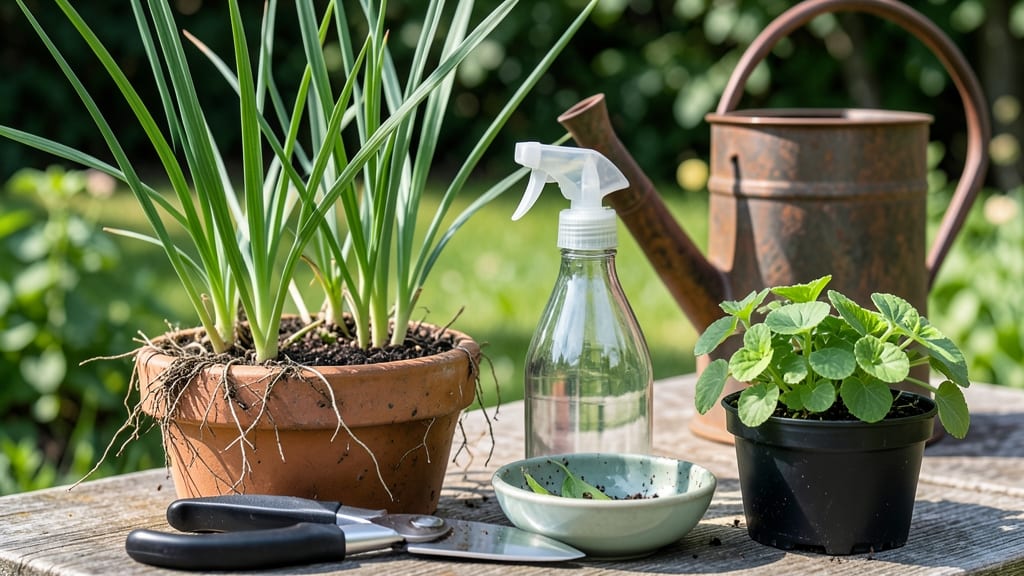
Making citronella spray from your own plants means never buying repellent again. 🌿 The process is simpler than you think—just harvest leaves, boil them with water, strain, and bottle. I’ve made gallons of this spray every summer, and it keeps mosquitoes away without the harsh chemicals.
You’ll need fresh citronella leaves (or lemongrass/geraniums as alternatives), water, a pot, strainer, and a spray bottle. The key is using enough plant material—about 2 cups of chopped leaves per quart of water—to create a strong, effective spray. Simmer for 15-20 minutes, then let it cool before straining.
The result is a refreshing, citrusy-scented spray that works on skin, clothing, or around patios. It’s non-toxic, budget-friendly, and lasts 2-3 weeks in the fridge. Plus, you’ll love how it smells compared to store-bought repellents. Works for any outdoor space, from backyard gatherings to camping trips.
Here’s the full step-by-step—no fancy equipment needed!
📚 In This Guide
- What you need
- Instructions
- Tips and common mistakes
- Wrapping up and next steps
What you need
- ● Fresh citronella plant: 1 cup of chopped leaves and stems (or ½ cup of dried leaves)
- ● Distilled water: 2 cups (sterile water prevents mold)
- ○ Alcohol (optional but recommended): 1 cup of 70% isopropyl alcohol (extends shelf life)
- ● Glass spray bottle: 8–16 oz (amber or dark glass blocks light degradation)
- ● Cheesecloth or fine strainer: For filtering plant debris
- ● Scissors or pruning shears: For harvesting leaves/stems
- ● Wooden spoon or mortar & pestle: To crush leaves (boosts oil release)
- ○ Funnel (optional): Prevents spills when pouring liquid
- ○ Essential oils (optional): 10–15 drops of lavender, eucalyptus, or lemongrass (enhances scent/power)
- ● Label & marker: To tag your spray with the date
Step-by-step instructions for crafting citronella spray from fresh plants
Here’s how to turn fresh citronella plants into an effective, chemical-free mosquito repellent in under an hour.
🌿 Step 1: Harvest and Chop Citronella Stems
Select fresh citronella stems—look for vibrant green leaves and stems that snap crisply when bent. Harvest about 1 cup of leaves and stems (roughly 4-6 stems, depending on size). Strip the leaves from the stems and chop both leaves and stems into ¼-inch pieces using sharp kitchen shears or a knife. The smaller the pieces, the faster the infusion releases its oils.
Place the chopped citronella in a clean glass jar or bowl. Avoid bruising the leaves—crushed plant material releases bitter compounds that can overpower the scent. If you’re using dried citronella, skip this step and proceed to steeping directly.
💧 Step 2: Steep in Boiling Water
Pour 2 cups of boiling water over the chopped citronella in the jar. Cover the jar with a lid or plate and let it steep for 30-45 minutes. You’ll notice the water turning a pale greenish hue as the essential oils infuse. The longer it steeps, the stronger the scent—but don’t exceed 1 hour, or the spray may develop a harsh, medicinal odor.
While steeping, keep the jar in a warm spot (like a sunny windowsill) to enhance oil extraction. If you’re short on time, a 10-minute microwave steep (covered, on high) works in a pinch, though the scent will be milder.
✂️ Step 3: Strain and Add Essential Oils (Optional)
Strain the mixture through a fine-mesh sieve or cheesecloth into a clean spray bottle, pressing gently on the plant matter to extract every drop. Discard the spent leaves. For a stronger repellent, add 10-15 drops of lemon eucalyptus or lavender essential oil—these oils amplify citronella’s effectiveness against mosquitoes. Shake the bottle gently to combine.
Here’s the thing—citronella alone works, but combining it with other oils like peppermint or geranium creates a broader-spectrum repellent. Just avoid citrus oils (like lemon or orange) if you’ll be spraying near fabrics—they can bleach or discolor.
🪴 Step 4: Test and Store Properly
Before spraying on skin or surfaces, test a small patch of skin or fabric to ensure no irritation occurs. Citronella is generally safe, but sensitive skin may react. Once satisfied, spray the mixture onto outdoor furniture, patio areas, or directly onto exposed skin (avoid eyes and mucous membranes). Reapply every 2-3 hours for maximum effectiveness.
Store the spray in a cool, dark place (like a refrigerator) for up to 1 week. The longer it sits, the weaker the scent becomes, so use it fresh for best results. For a longer shelf life, add 1 teaspoon of vodka or rubbing alcohol as a preservative—this extends potency to 2-3 weeks.
Tips & tricks for perfect citronella spray
These simple strategies will help you maximize the effectiveness of your homemade mosquito repellent.
Harvesting Tip: For the strongest scent, harvest citronella stems in the morning when their essential oils are most concentrated. Avoid stems with yellowing leaves or brown spots—they contain fewer active compounds. If you're using dried citronella, crush it lightly between your fingers before steeping to release more oils, but don't overdo it or you'll create bitterness. The ¼-inch chop size in Step 1 is perfect for balancing oil extraction with straining ease.
Steeping Strategy: The 30-45 minute steep time is ideal for balancing potency and freshness. If you're using a microwave for the 10-minute quick version, try this trick: cover the jar with plastic wrap (not just a plate) to trap more steam and enhance oil extraction. For maximum strength, place your jar in a warm spot during steeping—citronella's essential oils release more readily in warmer temperatures. Just remember, never exceed that 1-hour limit or you'll get that medicinal aftertaste.
Straining Technique: When straining in Step 3, use a clean coffee filter as an extra layer in your sieve or cheesecloth. This catches any fine plant particles that could clog your spray bottle nozzle. For the optional essential oils, add them after straining to preserve their potency—they can degrade when exposed to hot water. When combining, give the bottle a gentle swirl rather than vigorous shaking to prevent creating bubbles that could affect the spray pattern.
Shelf Life Hack: To extend your spray's freshness beyond the 1-week mark, add the 1 teaspoon of vodka or rubbing alcohol immediately after straining. This creates a protective barrier that locks in the essential oils. Store your spray in a dark glass bottle (like an amber-colored spray bottle) to further protect it from light degradation. For best results, keep it refrigerated—cold temperatures slow down the evaporation of the active compounds.
Pro Tips for Make Citronella Spray From Plant
- These simple strategies will help you maximize the effectiveness of your homemade mosquito repellent.
- Harvesting Tip: For the strongest scent, harvest citronella stems in the morning when their essential oils are most c...
- Steeping Strategy: The 30-45 minute steep time is ideal for balancing potency and freshness. If you're using a microw...
Frequently asked questions
Got questions about your DIY citronella spray? You’re not alone! Here are the most common queries—and their easy answers—to help you master this mosquito-fighting elixir like a pro.
How long does homemade citronella spray last before it goes bad?
Store your spray in a clean, airtight glass spray bottle in a cool, dark place (like your fridge). With alcohol or vinegar as a preservative, it’ll stay fresh for 1–2 months. If you notice mold, cloudiness, or a funky smell, toss it and start fresh. Pro tip: Label your bottle with the date!
Can I make citronella spray without alcohol or vinegar?
Yes! Skip the preservatives by using distilled water only and storing the spray in the fridge. It’ll last about 1 week—perfect for short-term use. For longer shelf life, add 1 tsp of witch hazel or vodka per cup of water (it’s subtle!).
How often should I reapply citronella spray to keep mosquitoes away?
Reapply every 2–4 hours for maximum protection, especially after sweating or rain. For longer-lasting results, mix in 5–10 drops of essential oils like lemongrass or eucalyptus. Spray around seating areas, not just on skin—mosquitoes hate the scent radius!
What if my citronella plant doesn’t smell strong enough?
Don’t worry! If your plant’s leaves are weak or wilted, soak them in warm water for 10 minutes before blending to boost potency. For extra punch, add 1–2 drops of citronella essential oil to your spray mix. Bonus: Place fresh citronella plants near doors/windows—they’ll naturally repel bugs!
Is homemade citronella spray safe for pets or kids?
Use caution! Avoid spraying directly on pets or children’s skin—test a small area first. Stick to alcohol-free or vinegar-based recipes (skip essential oils if your pet has sensitivities). For kids, apply to clothing or outdoor furniture only. When in doubt, opt for food-grade ingredients and dilute heavily.
Wrapping up and next steps
You’ve now mastered the art of crafting a natural, mosquito-repelling citronella spray that’s safe, budget-friendly, and eco-conscious! 🌿 Whether you’re prepping for summer adventures or simply want to keep your outdoor space bug-free, this DIY solution is your secret weapon.
The best part? You’ve harnessed the power of nature—no harsh chemicals needed.
Ready to take it further? Experiment with scents by adding a few drops of lavender or eucalyptus oil for an extra layer of protection. Or, share your newfound skill with friends and family—because who doesn’t love a good, natural hack? 🚀 Happy spraying!