
Planting
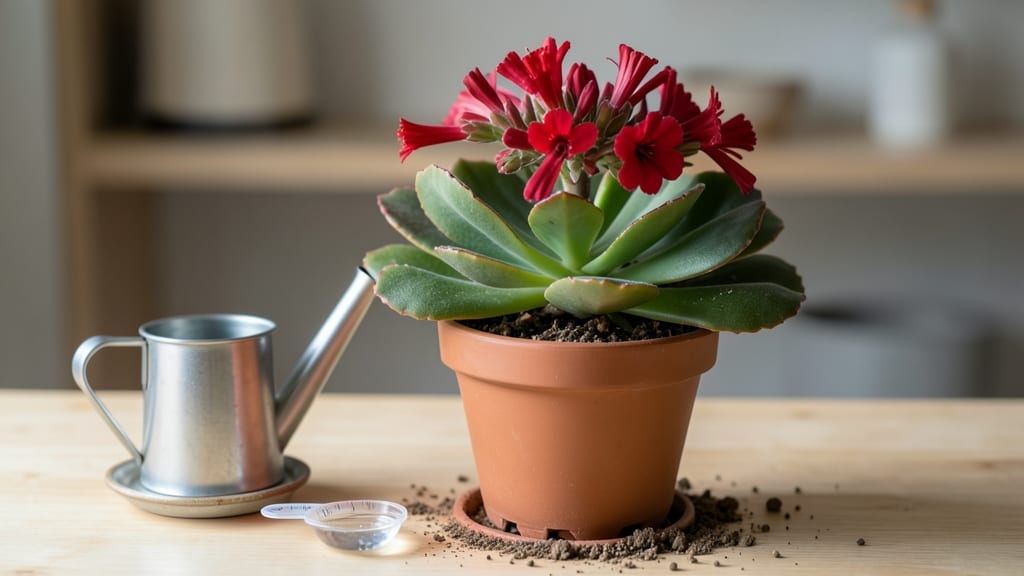
Caring for a kalanchoe plant indoors means mastering its water needs — and getting it wrong can turn those stunning blooms 🌸 into a sad, leggy mess.
Picture this: You water your kalanchoe like you would a fern, and suddenly the leaves pucker, the stems stretch, and the flowers refuse to appear. The problem? This drought-loving plant thrives on neglect, not TLC.
Too much water drowns its roots; too little stunts its growth. But here’s the good news: with the right watering schedule and a few simple tricks, you can keep your kalanchoe blooming for months.
Below, I’ll walk you through the exact watering routine, from testing soil moisture to adjusting for seasonal changes. You’ll also learn how light and humidity play into the equation — because even the hardiest plants need a little help to shine.
Ready to transform your kalanchoe from struggling survivor to showstopping centerpiece? Let’s dive in.

The perfect kalanchoe watering schedule: when, how much, and what to avoid
Kalanchoes are famously low-maintenance, but their watering needs are often misunderstood. Unlike thirsty houseplants, they thrive on neglect—not over-attention. The key is replicating their natural desert-like environment, where water is scarce but sunlight is abundant.
When you water too frequently, you risk root rot, while skipping water entirely leads to wrinkled leaves and lost blooms. Let’s break down the science behind their watering schedule so you can keep your kalanchoe happy and blooming for years.
First, always use a pot with drainage holes—this is non-negotiable. Without them, excess water pools at the roots, creating a suffocating environment. Pair this with a well-draining cactus or succulent mix to mimic the sandy soils of their native habitat.
If your pot lacks drainage, consider repotting or adding a layer of perlite or pumice to improve aeration. This simple adjustment makes all the difference in preventing waterlogged soil.
Now, let’s talk about the soil moisture test, your most reliable guide. Before watering, stick your finger about 1 inch deep into the soil. If it feels completely dry, it’s time to water. If there’s any moisture, wait another week.
This method prevents the guesswork and ensures you’re watering only when necessary. Pro tip: Use a moisture meter for accuracy, especially if you’re new to kalanchoe care. Over time, you’ll develop a feel for when your plant truly needs a drink.
When you do water, aim for a thorough but gentle approach. Pour water slowly until it begins to drain from the bottom of the pot. Discard any excess that collects in the saucer—sitting water is a breeding ground for fungal diseases.
Think of it like a quick shower: just enough to hydrate without drowning. For larger kalanchoes, you might need up to 100ml of water, while smaller varieties will do fine with 50ml. Always adjust based on pot size and environmental conditions.
Seasonal changes dramatically impact your kalanchoe’s watering needs. In spring and summer, when growth is active and light levels are high, water every 2-3 weeks.
During these months, your plant is working hard to produce those stunning blooms, so it needs just enough moisture to support its energy demands. Conversely, fall and winter signal dormancy. Reduce watering to every 4-6 weeks and position your plant in cooler, brighter light to mimic its natural resting period.
Watch for visual cues that reveal your kalanchoe’s true condition. Wrinkled or puckered leaves scream for water, while yellowing or mushy stems mean you’re overdoing it.
Another telltale sign is drooping: if your plant sags after watering, it’s likely thirsty, but if it stays limp for days, root rot may have set in. Act quickly by trimming affected roots and repotting in fresh, dry soil. These signs are your plant’s way of communicating—learn to listen.
One of the biggest mistakes I see is watering on a schedule rather than responding to the plant’s needs. Kalanchoes don’t follow a calendar; they follow their environment. Factors like humidity, temperature, and light levels all play a role.
For example, if your home is particularly dry in winter due to heating, you might need to water slightly more often. Conversely, a humid bathroom might extend the time between waterings. Pay attention to your home’s microclimate and adjust accordingly.
Finally, let’s address the blooming phase, which is when many gardeners unknowingly sabotage their efforts. Kalanchoes need a period of dryness and darkness (about 6-8 weeks) to trigger flower buds. If you keep water
5 Common watering mistakes that kill kalanchoe blooms (and how to fix them)
Your kalanchoe plant may look healthy, but hidden watering mistakes can silently sabotage those stunning blooms. Even small errors—like overwatering or ignoring seasonal changes—can turn your plant into a sad, leafless shadow of its former self. The good news? These fixes are simple once you spot the warning signs.
Kalanchoes thrive on consistent neglect (yes, really!) but despise soggy soil or bone-dry roots. Understanding these five deadly mistakes will help you revive your plant and keep those colorful flowers coming back year after year.
Let’s dive into the most common pitfalls and how to correct them before it’s too late.
⚠️ How to Care for a Kalanchoe Plant Indoors (Water Edition)
Kalanchoes are succulent-like plants that store water in their leaves, making them drought-tolerant but highly sensitive to overwatering. Here’s the golden rule: Water only when the top 1-2 inches of soil are completely dry. Use a moisture meter or stick your finger in the soil—if it’s damp, wait. Morning watering is best to prevent fungal growth from sitting water.
Pro Tip: If your plant is drooping, check the soil first—it’s likely underwatered, not overwatered! Let it recover in bright light, and it’ll bounce back within days.
Mistake #1: Overwatering – The silent killer of kalanchoes. When you water too often, roots suffocate in soggy soil, leading to root rot and yellowing leaves. Fix it by letting the soil dry out completely between waterings.
If your plant is already suffering, remove it from the pot, trim any mushy roots with sterilized scissors, and repot in fresh, well-draining cactus mix.
Mistake #2: Underwatering – While kalanchoes love dry spells, complete dehydration causes wrinkled leaves and lost blooms. Recover your plant by giving it a deep soak until water drains from the bottom. Afterward, reduce watering to every 3-4 weeks and place it in bright, indirect light to encourage recovery.
Mistake #3: Improper drainage – Pots without drainage holes or compacted soil trap excess water, stranding roots in a waterlogged prison. Upgrade your setup by transferring your kalanchoe to a pot with holes and adding a layer of perlite or pumice to the soil mix.
This ensures water flows freely, keeping roots happy and healthy.
Mistake #4: Ignoring seasonal changes – Kalanchoes slow down in winter dormancy, needing less water and cooler temperatures. If you keep watering them like it’s summer, you’ll drown their roots. Adjust your schedule to water every 4-6 weeks in winter and resume normal care in spring.
Mistake #5: Using the wrong soil – Heavy, moisture-retentive soil suffocates kalanchoe roots. Switch to a fast-draining mix like cactus or succulent soil, or amend your current soil with perlite or sand. This mimics their natural arid habitat, preventing root rot and keeping leaves plump and vibrant.