
Planting
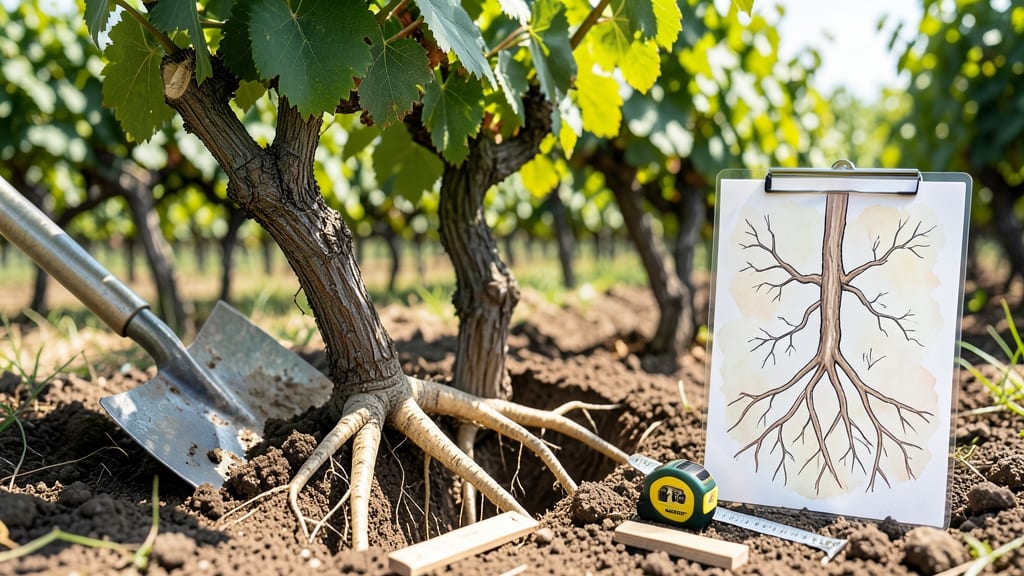
Grapevine roots can stretch 8 to 12 feet deep—far deeper than most gardeners realize—depending on the variety, soil, and growing conditions.
Wondering how far grapevine roots stretch underground before they start producing those luscious clusters of fruit? The depth and spread of grapevine roots can vary dramatically by variety—and understanding this can transform your vineyard’s success or small-space gardening strategy.
Some grapevines, like Pinot Noir, develop shallower root systems, thriving just 3 to 5 feet down, while deep-rooted varieties like Cabernet Sauvignon reach 10 feet or more to access water and nutrients. This difference isn’t just about space—it impacts everything from drought resistance to pruning decisions.
In this guide, I’ll break down how root depth affects your grapevine’s health, share planting tips to encourage strong growth, and debunk myths about shallow vs. deep-rooted varieties. Whether you’re working with 6a zone soil or a container setup, these insights will help your vines thrive from the ground up.
Grapevine root depth by variety: from shallow to deep underground spread
Grapevine roots are one of the most fascinating aspects of growing these versatile plants. While some varieties send roots just 1-2 feet deep, others like Cabernet Sauvignon can plunge 8+ feet into the soil.
This underground spread directly impacts water access, drought tolerance, and fruit quality. Understanding these patterns helps you choose the right variety for your soil type and climate conditions.
Most grapevine roots develop within the top 3-4 feet of soil, but the taproot (main vertical root) can vary dramatically. Shallow-rooted varieties like Pinot Noir thrive in well-drained, rocky soils where deep roots aren't possible, while deep-rooted Zinfandel vines need loose, aerated soil to reach their full potential.
The key lies in matching the vine's natural root habits to your growing environment.
Soil composition plays a critical role in root depth. Clay-heavy soils restrict deep root growth, forcing vines to develop extensive lateral roots near the surface. In contrast, sandy loams allow roots to penetrate deeper, accessing moisture and nutrients from greater depths.
This explains why some heirloom varieties struggle in compacted soils while thriving in well-drained conditions.
Climate also influences root development. In arid regions, grapevines like Muscat develop deeper roots to access groundwater, while varieties in cooler climates (like Chardonnay) often stay shallower due to higher moisture availability near the surface.
Even within the same variety, root depth can vary by 10-20% depending on seasonal rainfall patterns.
Young grapevines develop most of their roots within the first 2-3 years of planting, with the taproot establishing first followed by lateral roots. This is why proper planting depth (3-4 inches) is critical—shallow planting can stunt root growth, while planting too deep can suffocate the roots.
For varieties like Cabernet Sauvignon, ensuring deep soil aeration is essential to support their extensive root systems.
One common misconception is that all grapevines need deep soil. In reality, shallow-rooted varieties like Pinot Noir often perform better in rocky or sloped terrain where deep roots aren't possible.
These vines compensate by developing a dense network of surface roots, making them more drought-resistant in their natural habitats. This adaptability
How root depth affects grapevine health and fruit production
Deep, healthy roots are the backbone of a thriving grapevine. While the above-ground canes and fruit catch our attention, it’s the underground network that determines how well your vines access water, nutrients, and stability.
Shallow roots struggle in drought, while deep roots help vines survive dry spells and access nutrients from deeper soil layers. Understanding this balance is key to maximizing your grapevine’s productivity and resilience.
Most grapevine roots spread 3-5 feet wide but vary dramatically in depth. Some varieties, like Cabernet Sauvignon, develop roots up to 6 feet deep, while others, such as Pinot Noir, may only reach 2-3 feet.
This variation directly impacts how your vines handle stress, absorb nutrients, and produce fruit. Let’s explore how root depth influences grapevine health and what you can do to optimize it.
⚠️ Warning: Shallow Planting = Stunted Vines
Planting grapevines too shallow (less than 3 inches) restricts root growth, leading to poor drought tolerance and reduced fruit yield. Compacted or waterlogged soil can also suffocate roots, causing root rot and vine decline. Always plant with roots 3-4 inches deep in loose, well-draining soil to encourage downward growth.
Deeper roots excel at water absorption, especially during drought. Vines with roots extending 4+ feet deep can tap into groundwater, reducing stress during dry spells. This is why deep-rooted varieties like Zinfandel thrive in hot, arid climates.
Shallow-rooted vines, however, rely on frequent irrigation and mulching to prevent moisture loss. If you’re growing grapes in drought-prone areas, prioritize varieties with deep root systems or amend soil to encourage deeper growth.
Nutrient uptake is another critical factor tied to root depth. Deeper roots access phosphorus and potassium from lower soil layers, which are essential for fruit development and vine vigor. Shallow roots, however, may struggle in nutrient-poor topsoil, leading to smaller berries or poor coloration.
To boost nutrient access, incorporate compost or organic matter into the soil and avoid over-tilling, which can damage fine root hairs responsible for nutrient absorption.
Pruning practices also play a role in root health. Heavy pruning in early spring can stress shallow-rooted vines, while balanced pruning promotes root regeneration. For deep-rooted varieties, minimal pruning in late winter allows roots to recover and extend deeper before the growing season.
Always prune with the vine’s root system in mind—avoid over-pruning shallow-rooted varieties like Concord grapes, which are more sensitive to stress.
Mulching is a simple yet powerful tool to support root depth. A 3-4 inch layer of mulch (straw, wood chips, or leaves) insulates roots, retains moisture, and encourages downward growth. This is especially important for shallow-rooted varieties, as mulch helps simulate deeper soil conditions.
Just be sure to keep mulch away from the trunk to prevent rot. Combine mulching with soil aeration—using a garden fork to loosen compacted soil—every 1-2 years to improve root penetration.
For optimal grapevine health, monitor your vines for signs of root stress, such as yellowing leaves (nutrient deficiency) or wilting during heatwaves (drought). Adjust your care routine by amending soil, adjusting watering schedules, or choosing varieties better suited to your climate.
With the right approach, you’ll cultivate vines with robust root systems that produce abundant, high-quality fruit year after year.